
 LINE
LINE


For Those Struggling with Excessive Sweating
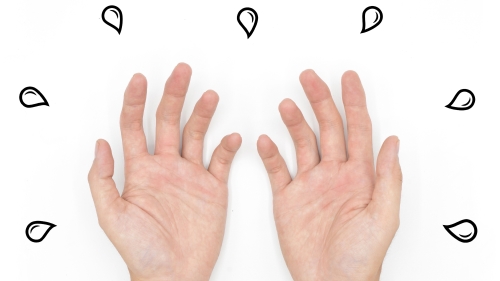
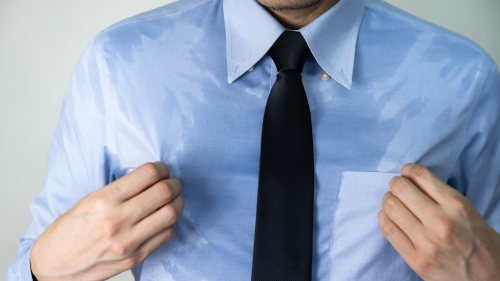
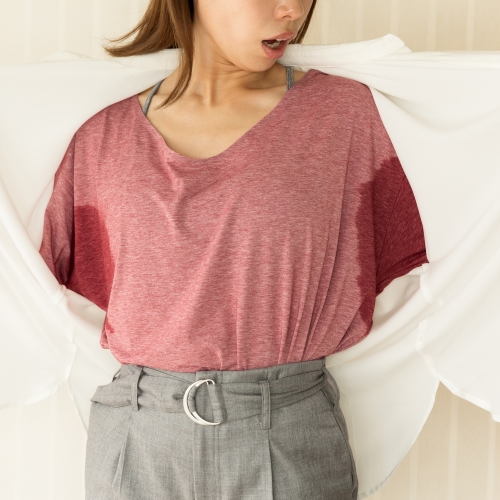
There are various possible causes of hyperhidrosis. Understanding how sweating works and what triggers it can help in identifying appropriate treatments and preventive measures.
In contrast, eccrine glands produce clear, watery sweat composed mainly of water and salt. This type of sweat is essentially odorless, though it can develop a noticeable smell when combined with skin bacteria. Factors such as stress, an unbalanced diet, or hormonal changes can stimulate the sebaceous glands to produce excess oils, which mix with sweat and feed bacteria, leading to unpleasant odors.
The number of eccrine glands varies between individuals. People with a higher number of these glands tend to sweat more easily and may be more prone to hyperhidrosis. In some cases, excessive sweating occurs when the eccrine glands become overactive, even without a physical need for cooling.
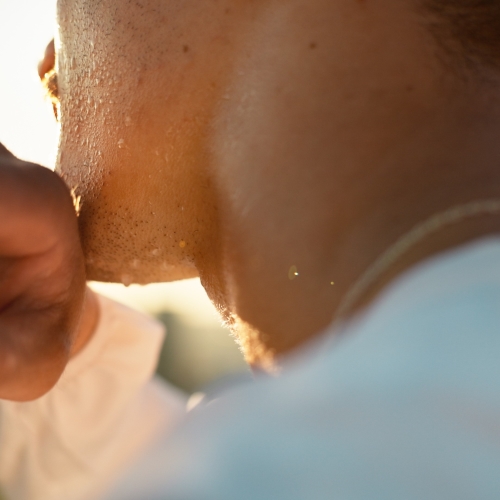
For hyperhidrosis caused by these factors, approaches that help regulate the autonomic nervous system are also important.
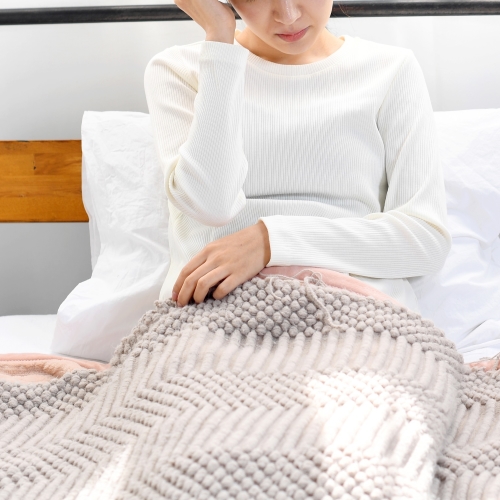
Hyperhidrosis can also be caused by specific medical conditions. For example, hyperthyroidism (Graves’ disease) increases metabolism, resulting in excessive sweating. Hormonal changes during menopause, diabetes, and neurological disorders may also cause abnormal sweating. When hyperhidrosis is due to an underlying condition, treating the primary disease is essential.

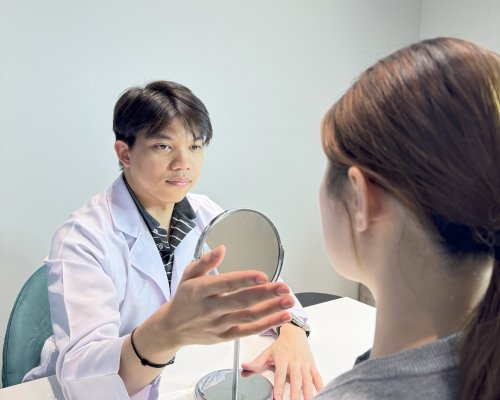
To ensure smooth communication, our clinic offers support in multiple languages including Japanese and English, so patients can feel comfortable discussing their concerns. Hyperhidrosis is a sensitive issue, and we understand that it can be difficult to talk about. That’s why we provide a private and respectful environment where each patient’s concerns are carefully heard and addressed with personalized treatment plans.
During the initial consultation, we thoroughly explain the treatment options based on the severity of symptoms and lifestyle, ensuring you fully understand and agree with the proposed approach before proceeding. Treating hyperhidrosis can significantly improve your quality of life, so please feel free to reach out for a consultation with confidence.
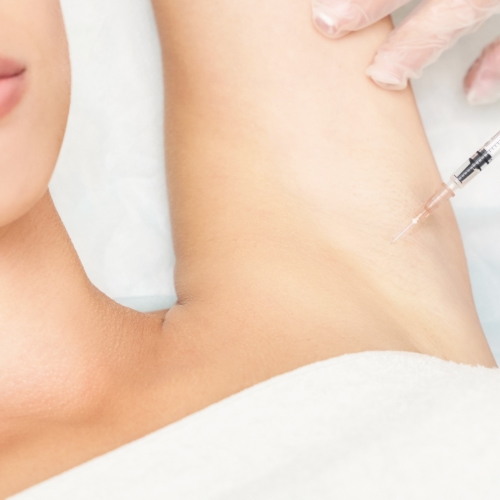
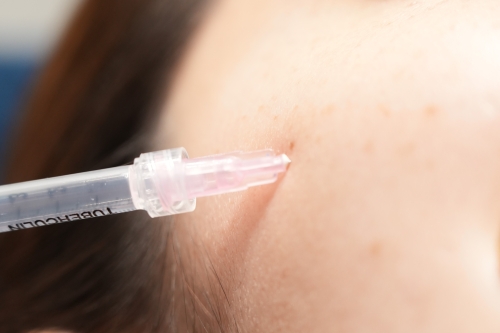
Since this treatment is performed via injection, it leaves minimal scarring and takes only about 10 minutes to complete. We use ultra-fine needles to minimize pain, and anesthesia is available to further increase comfort during the procedure. The effects typically last for 3 to 4 months after a single session, with almost no downtime. This makes it a convenient option even for busy individuals. We also recommend receiving the treatment before the hot season begins to prepare for increased temperatures.
Additionally, our clinic offers two types of high-quality formulations, allowing us to tailor the treatment to your needs and budget. If you are seeking effective hyperhidrosis treatment in Bangkok, please feel free to contact us for a consultation.
Search by Concern
-
Skin concerns
-
Facial Concerns
-
Other concerns
If you want to get hyperhidrosis treatment
BIBI CLINIC
Address
27 3rd Floor, Room 306, Sukhumvit 55 (Thonglor), Khlong Tan Nuea, Wattana, Bangkok, 10110
Google MAPBlog
-
Sagging under eyes are solved by Bangkok Bibi Clinic! The best treatment for sagging under eyes that you should know about【Bibi Clinic Explanation】.
In recent years, Japanese women have been attracted to Bangkok, Thailand, for its high-quality cosmetic treatments for sagging under eyes. Sagging under the eyes" is a growing concern as we age. It can make you look tired every time you look in the mirror and make you look older than your actual age [...].
-
Facial sagging is taken care of in Bangkok! A Guide to Beauty Treatments to Regain a Youthful Appearance
As we age, whether in our 40s, 50s, or 60s, we begin to notice sagging of the face. Do you ever look in the mirror and think, "Hey, maybe I've changed a little"? If so, beauty treatments [...].
-
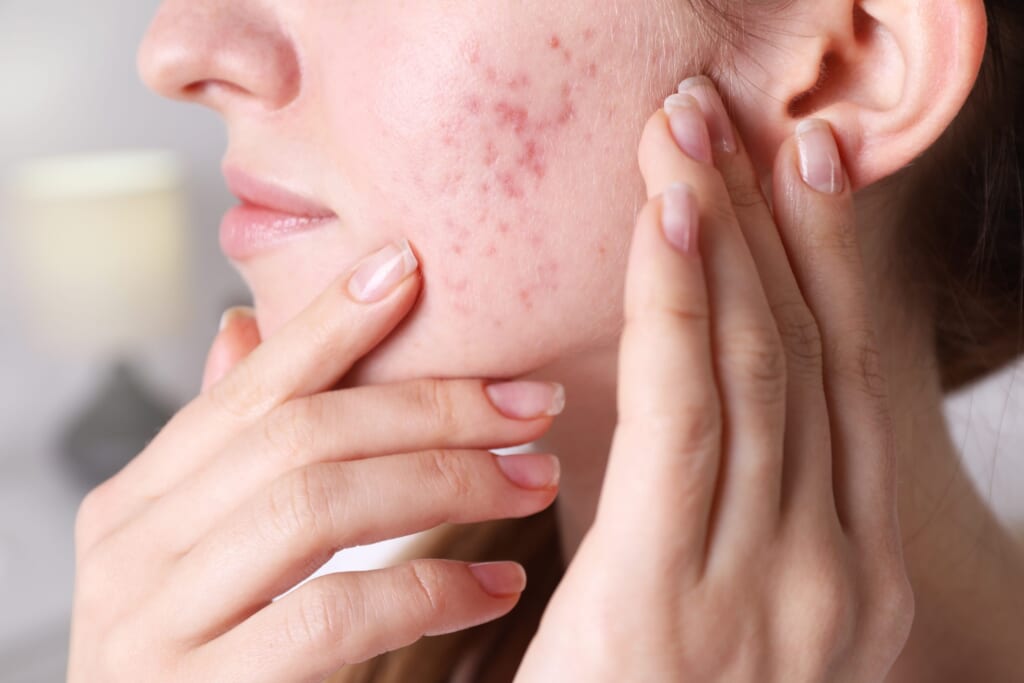
Full-scale treatment of acne scars in Bangkok! Thorough explanation of types and effects of laser treatment
Uneven color, light spots, bumpy skin, etc. - there are various types of acne scars. In particular, cases that remain uneven are difficult to improve with only face washing and over-the-counter cosmetics, and often require specialized care such as laser treatment. [...].
-
For those considering acne treatment in Bangkok|Treatment details and precautions
Bangkok, Thailand, where cosmetic medicine is well developed, has many Japanese who visit for acne treatment. A wide variety of treatments such as laser therapy, phototherapy, and peeling are offered to suit various skin conditions, and a wide range of options are available. Therefore, in this issue, we will introduce Bangkok [...].