
 LINE
LINE


Acne and Acne Scars
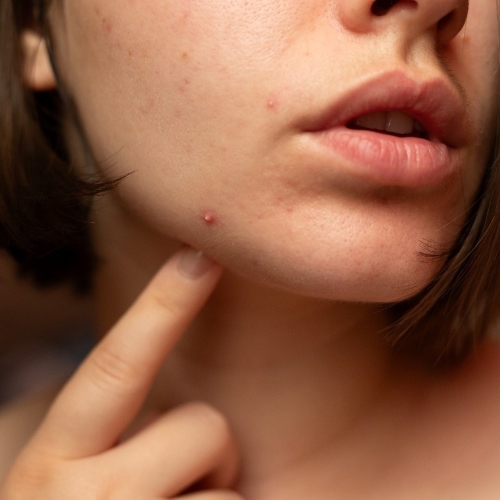
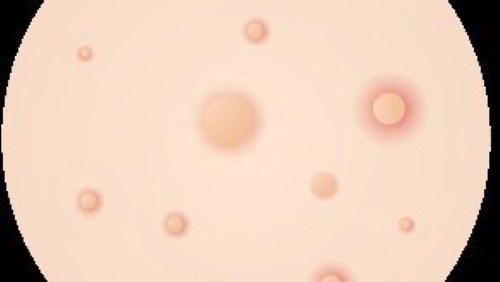
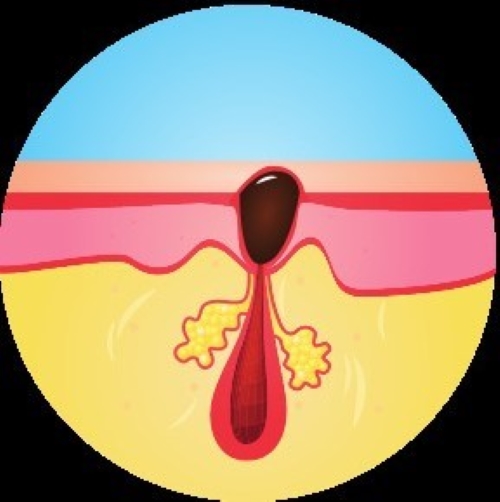
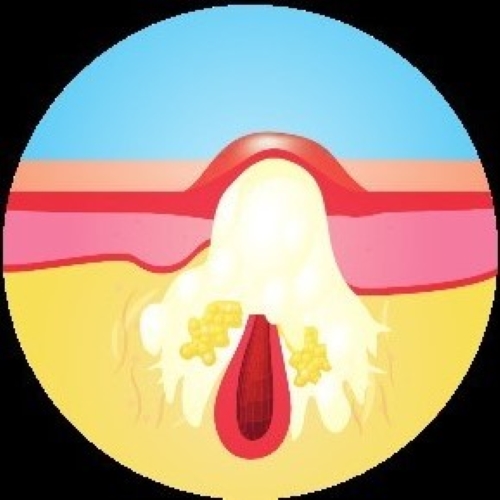
Medically known as closed comedones, this stage marks the beginning of acne development, as acne-causing bacteria (Cutibacterium acnes) start to multiply within the clogged pore.

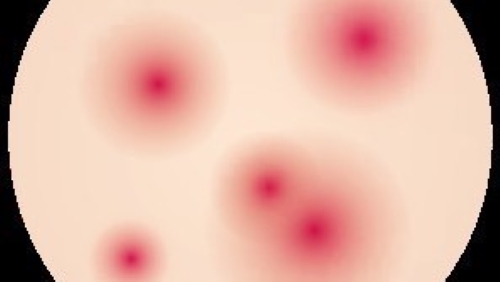

To effectively treat and prevent acne, it’s important to first understand the root causes and how acne develops.
However, when sebum is overproduced or the pore becomes clogged, it can no longer exit the skin properly and begins to accumulate inside the pore.
This trapped sebum becomes a food source for acne-causing bacteria (Cutibacterium acnes) and other microbes, leading to the formation of whiteheads—the initial stage of acne.
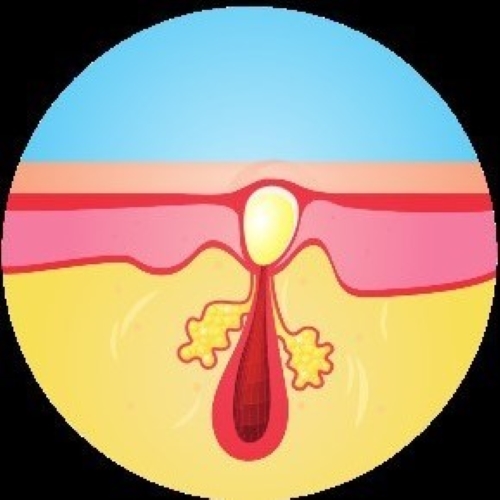
At this stage, there is typically no pain or swelling, as inflammation has not yet occurred.


Tryfill Pro: Instantly boosts blood flow in the skin with the power of carbon dioxide to calm acne inflammation. At the same time, it delivers active ingredients to create a foundation that promotes acne healing.
Silfirm X: By applying the latest "high frequency," it directly targets overactive sebaceous glands, which cause acne. It suppresses the activity of current acne.
Lalapiel: Gently exfoliates the skin with its gentle ingredients, resolving clogged pores and oiliness. It also has a strong anti-inflammatory effect, transforming the skin to be less prone to acne.
Diode Laser: Kills acne-causing bacteria with laser heat, quickly calming red, inflamed pimples.
The treatment you should choose varies from person to person depending on the condition of your acne. If you're unsure of the best way to treat your acne or feel that self-care has its limits, please feel free to consult us.
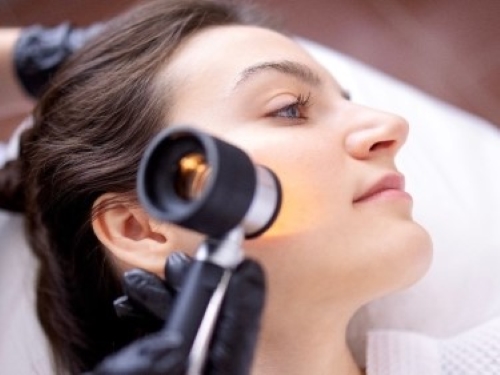
TryPhilPro pinpoints and breaks apart these "adhesions" with the power of carbon dioxide. Because beneficial ingredients can be smoothly infused into the opened spaces, it offers high efficacy even for deep unevenness that was previously given up on.
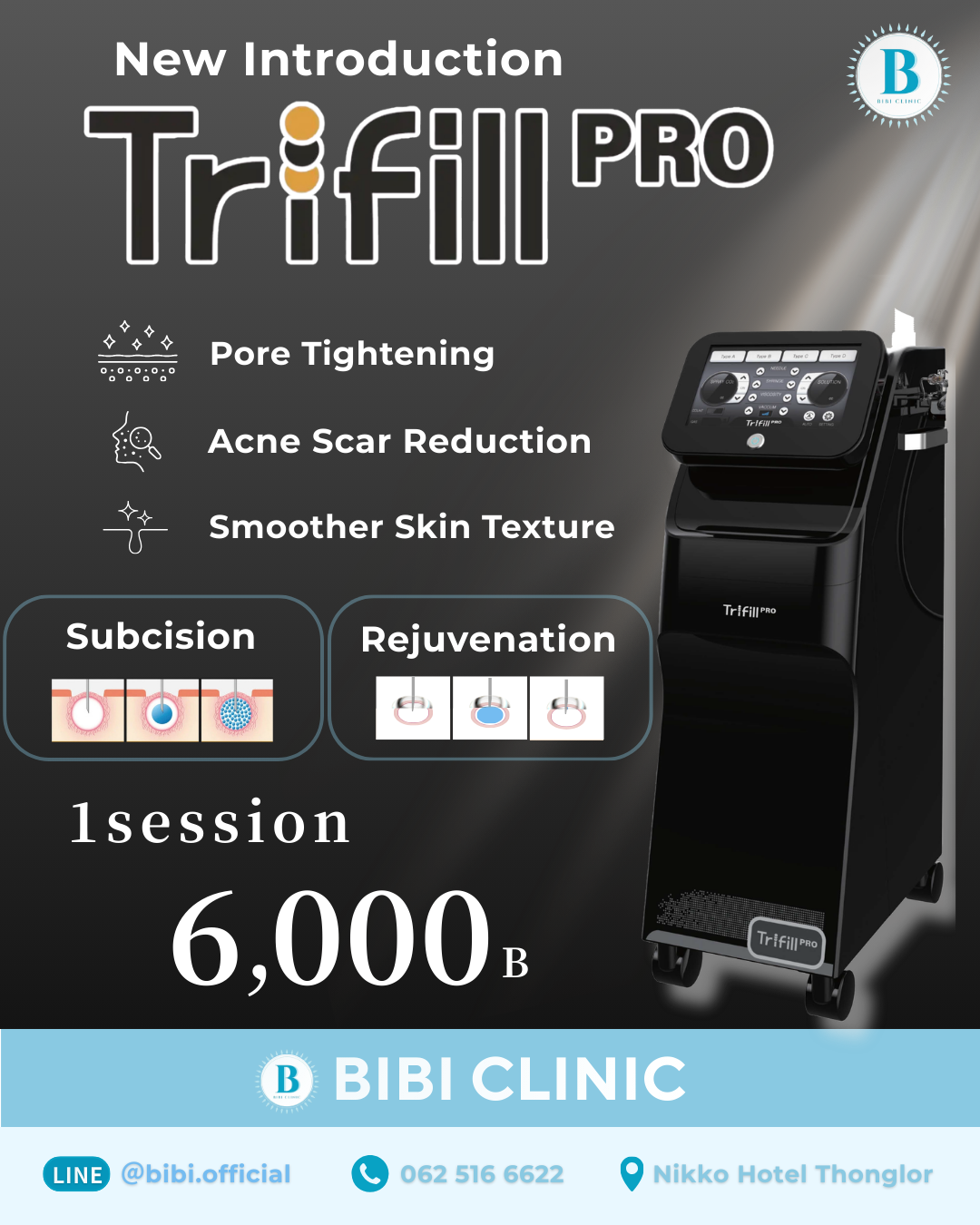
Tryfil Pro: Using carbon dioxide pressure, it detaches the "skin tension" causing the indentations from the inside, and infuses medication to flatten and push up deep craters.
Pico Laser: Fades red acne scars and brown spots with a light shock. The skin resurfacing mode (fractional) also smooths out uneven skin texture.
Silfirm X: High-frequency electricity is passed through the needle tips to activate the "switch" that increases collagen, a component that supports the skin. By making the skin firmer, it diminishes the appearance of indented acne scars.
Lara Peel: Gently removes old keratin from the skin's surface, leading to smoother skin texture and improving roughness and shallow acne scars.
Rejuran Healer: A skin-boosting ingredient that aids skin regeneration is directly injected. It adds volume to depressed areas, plumping them up from within.
Exosome & PRP Therapy: Powerfully backup your skin's innate "repairing power." Promotes regeneration of damaged skin and improves craters.
Acne scars that are just redness or uneven skin tone may fade naturally over time. However, crater-like indentations are very difficult to treat with over-the-counter medications or skincare alone.
If you're looking to eliminate acne scars rather than just cover them up, please feel free to consult with us at our clinic. We'll work with you to find the best treatment plan using specialized medical equipment.
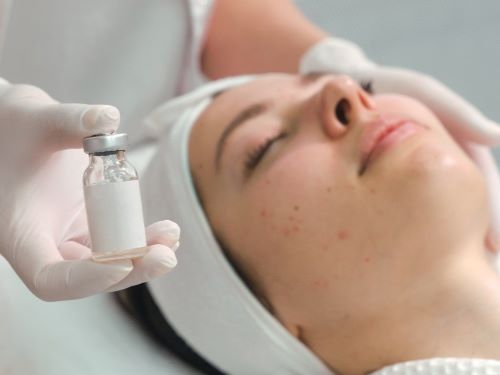
At Bibi Clinic, we focus not only on treating existing acne and acne scars but also on preventing future breakouts and minimizing the risk of scarring. Our treatments address not just the visible symptoms but also the root causes of acne, helping you achieve healthier, more resilient skin over the long term.
Bibi Clinic offers acne and acne scar treatments of the same high quality as those in Japan, right here in Bangkok, Thailand. We provide services in both Japanese and English, ensuring that Japanese patients can feel secure receiving cosmetic treatments in Thailand. If you are struggling with acne or acne scars, please consult our clinic.
Search by Concern
-
Skin concerns
-
Facial Concerns
-
Other concerns
For acne and acne scar treatment
BIBI CLINIC
Address
27 3rd Floor, Room 306, Sukhumvit 55 (Thonglor), Khlong Tan Nuea, Wattana, Bangkok, 10110
Google MAPBlog
-
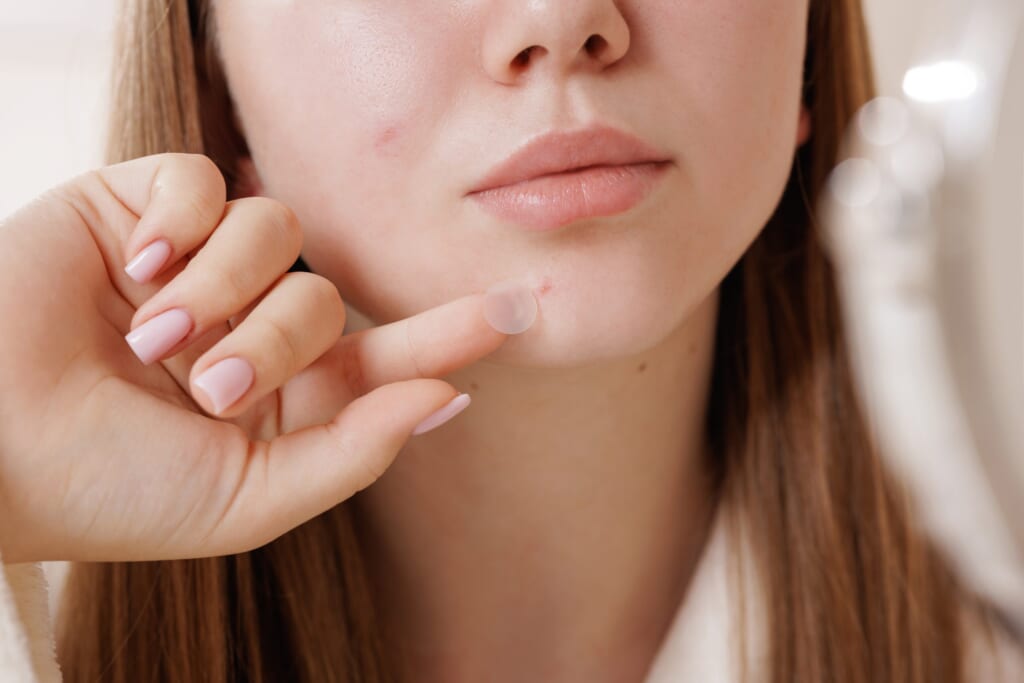
For Acne Sufferers in Thailand|A Guide to Cosmetic Medicine When Over-the-Counter Medicines Don't Cure the Problem
Many people in Thailand struggle with acne, and for some, over-the-counter acne medications don't provide sufficient improvement. Hardened acne, body acne, and acne scars, in particular, often don't improve as expected with self-care alone. Therefore, this article discusses how to treat [...]
-

Points to keep in mind before starting acne scar treatment in Thailand and approaches for each symptom.
Even after acne clears up, many people are left with the concern of "acne scars" on their skin. In particular, there are many reports of acne scars worsening while living in Thailand due to skin stress caused by the strong Southeast Asian sun and changes in lifestyle.
-
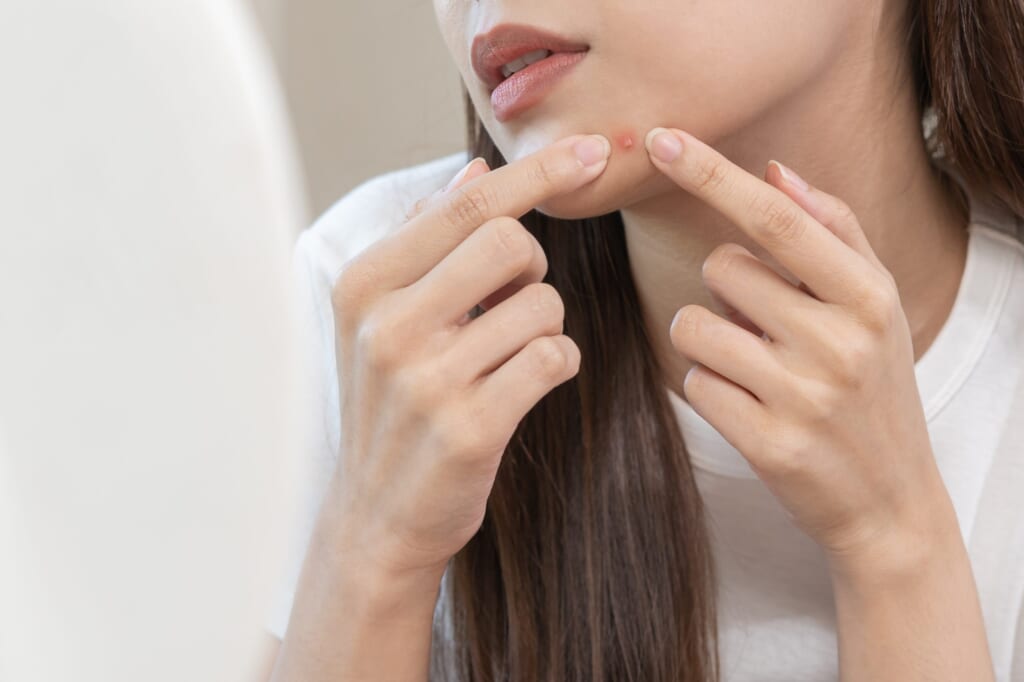
For those considering acne treatment in Bangkok|Treatment details and precautions
Bangkok, Thailand, where cosmetic medicine is well developed, has many Japanese who visit for acne treatment. A wide variety of treatments such as laser therapy, phototherapy, and peeling are offered to suit various skin conditions, and a wide range of options are available. Therefore, in this issue, we will introduce Bangkok [...].
-
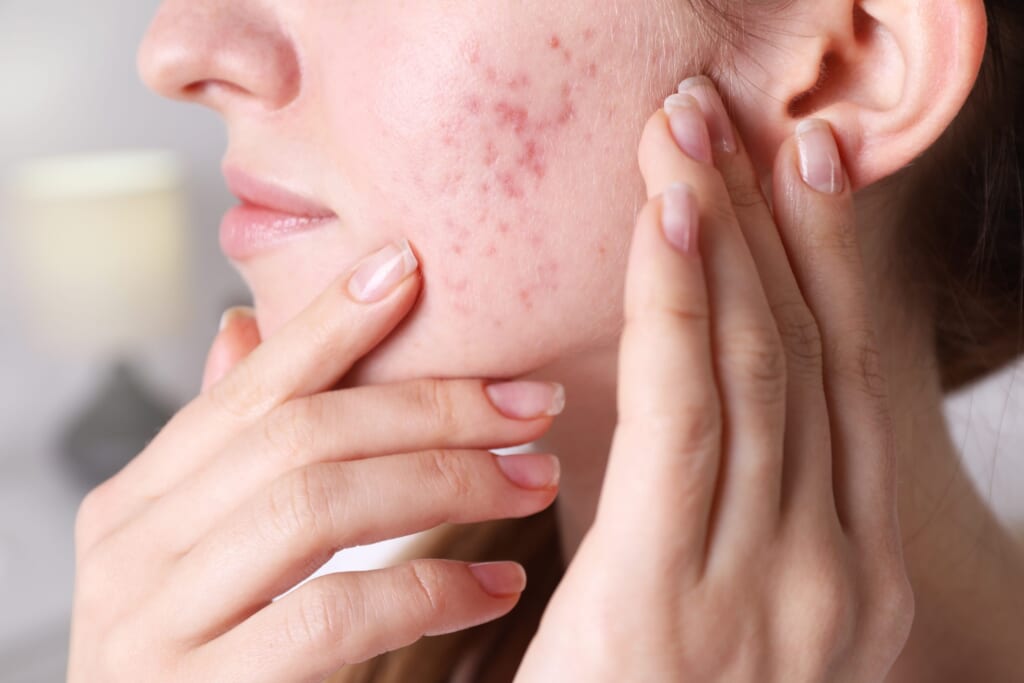
Full-scale treatment of acne scars in Bangkok! Thorough explanation of types and effects of laser treatment
Uneven color, light spots, bumpy skin, etc. - there are various types of acne scars. In particular, cases that remain uneven are difficult to improve with only face washing and over-the-counter cosmetics, and often require specialized care such as laser treatment. [...].
-
![Approaching crater-like acne scars in Bangkok! Thorough explanation from beauty treatment to proper self-care [Supervised by Bibi Clinic]|Bibi Clinic|Bangkok Beauty Clinic, Thailand](https://bibi-beauty.com/wp-content/uploads/2026/01/shutterstock_2578666711-1024x576.jpg)
Approaching crater-like acne scars in Bangkok! Thorough explanation from cosmetic treatment to proper self-care [supervised by Bibi Clinic].
Many people in Bangkok also suffer from cratered acne scars that are noticeably uneven. However, with the advancement of cosmetic medicine, there are now a variety of approaches to treating cratered acne scars. In this issue, we will discuss the basics of cratered acne scars, ba [...].
-
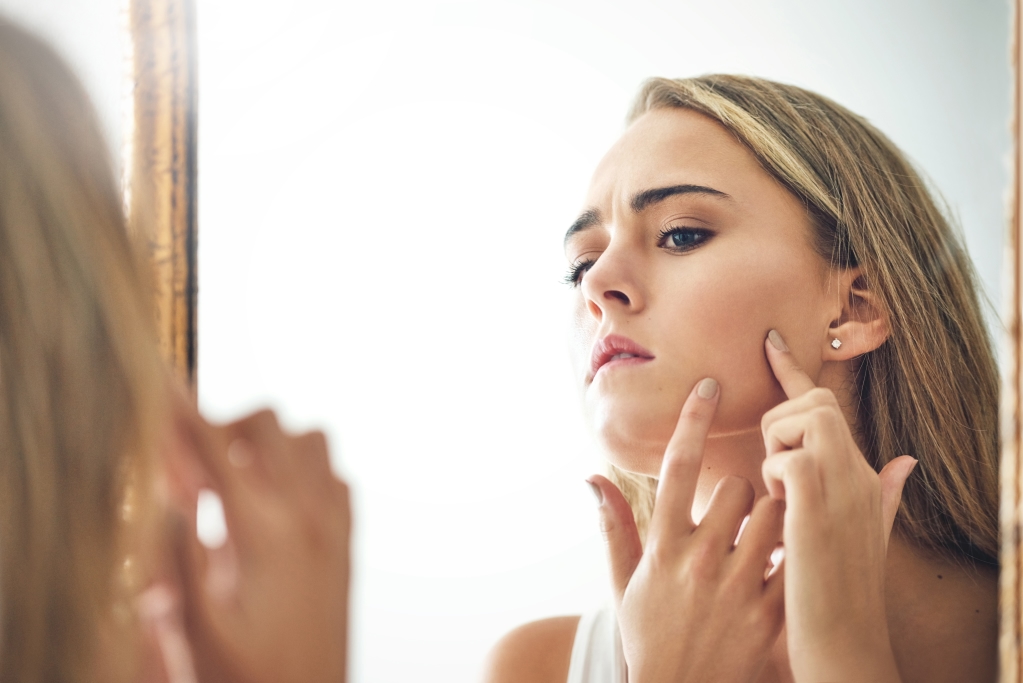
Why does acne scar hyperpigmentation remain? Explaining the causes and treatment methods in Thailand and Bangkok
Even though the acne itself has healed, the brown marks that remain are difficult to fade... Do you have this concern? In fact, many people are concerned not only about healing acne but also about regaining clear skin. This article will explain how to treat post-acne hyperpigmentation [...]
-
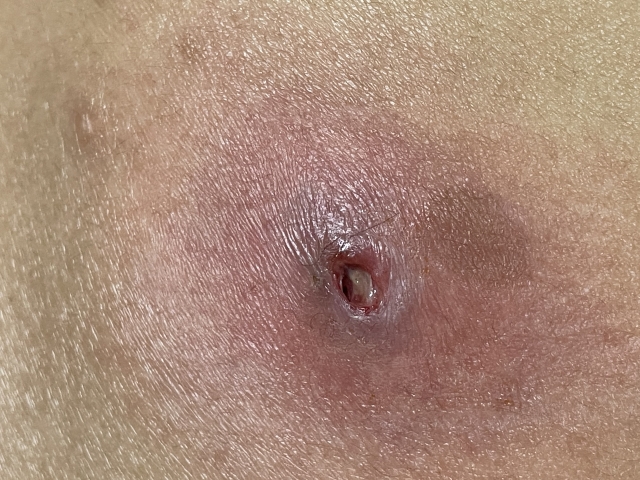
Acne scars: thorough care with aesthetic medicine! What kind of treatments for acne scar redness, hyperpigmentation, and bumpy pores does Thailand's Bibi Clinic offer?
Many people who still have acne scars even after their pimples have cleared up might think, "In my mind, it's the same as if they haven't healed yet." This is when many people consider cosmetic treatments for acne scars. Through specialized procedures, these treatments reach deeper layers of the skin that are difficult to access with self-care.