 LINE
LINE


Acne and Acne Scars
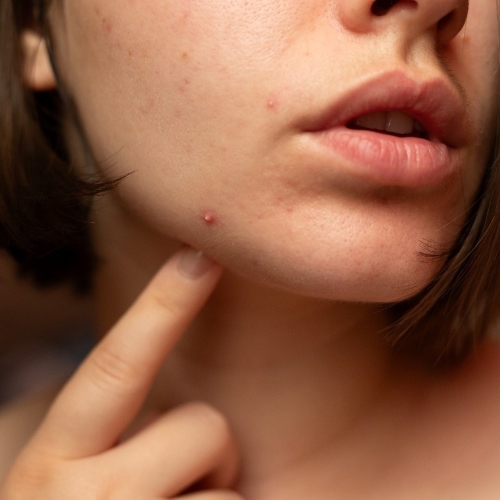
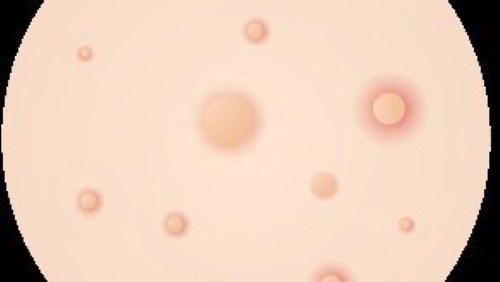
Medically known as closed comedones, this stage marks the beginning of acne development, as acne-causing bacteria (Cutibacterium acnes) start to multiply within the clogged pore.

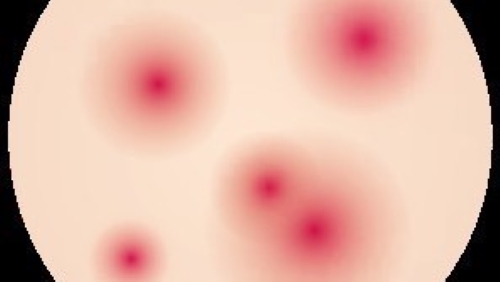

To effectively treat and prevent acne, it’s important to first understand the root causes and how acne develops.
However, when sebum is overproduced or the pore becomes clogged, it can no longer exit the skin properly and begins to accumulate inside the pore.
This trapped sebum becomes a food source for acne-causing bacteria (Cutibacterium acnes) and other microbes, leading to the formation of whiteheads—the initial stage of acne.
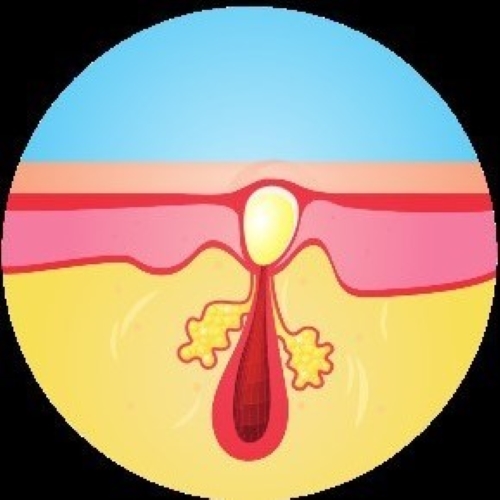
At this stage, there is typically no pain or swelling, as inflammation has not yet occurred.
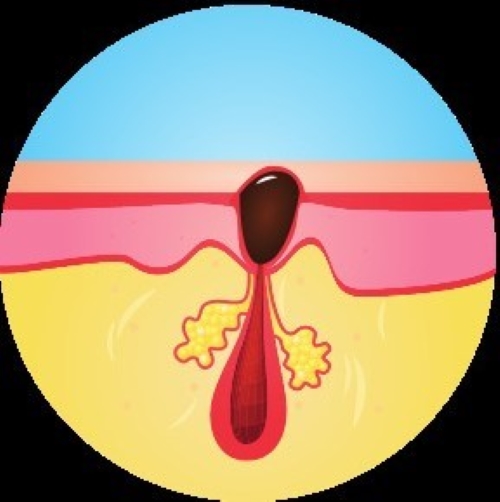

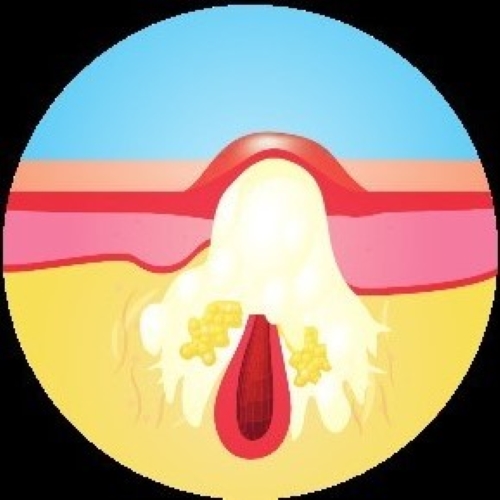

・Sylfirm X: Uses radiofrequency to coagulate overactive sebaceous glands and surrounding inflamed blood vessels, effectively suppressing active acne.
・Lalapeel: With anti-inflammatory properties, this treatment is gentle enough for acne-prone skin and helps reduce excessive sebum production, making skin less prone to breakouts.
・Diode Laser: Utilizes thermal energy to suppress sebum production, sterilize acne-causing bacteria, and calm inflammation.
The right treatment depends on the severity and type of acne. If self-care has not led to improvement and you’re unsure how to treat your acne effectively, professional medical care from a dermatologist or aesthetic clinic is recommended. At Bibi Clinic, we offer customized treatment plans tailored to your skin’s condition. If you’re struggling with persistent acne, we encourage you to reach out for a consultation.
・Pico Laser:
Pico Spot and Pico Toning target melanin to reduce redness and pigmentation. Pico Fractional stimulates the skin’s natural healing process, improving depressed scars (craters).
・Sylfirm X:
Activates fibroblasts to promote the production of collagen and elastin, reducing the appearance of indented scars.
・Lalapeel:
Gently exfoliates dead skin cells to improve the texture of uneven skin caused by acne scars.
・Rejuran:
Revitalizes skin cells, helping to repair depressed scars while also balancing sebum production and tightening pores.
・Exosomes:
Accelerates skin regeneration through enhanced cell turnover, improving crater-like scars.
・PRP Therapy (Platelet-Rich Plasma):
Promotes healing and skin regeneration to treat deep, pitted acne scars.
・Juvelook:
Stimulates collagen production in the dermal layer, helping to improve the depth and appearance of acne scars.
Redness and pigmentation from acne may fade naturally as your skin’s turnover (regeneration cycle) normalizes. However, in many cases where turnover is disrupted or inflammation is prolonged, these marks can persist. Pitted acne scars are especially difficult to treat and typically cannot be improved with over-the-counter products or regular skincare.
If you’re seeking effective solutions for acne scars, we recommend considering professional treatment at a cosmetic dermatology clinic like Bibi Clinic, where personalized care and advanced technologies can make a real difference.
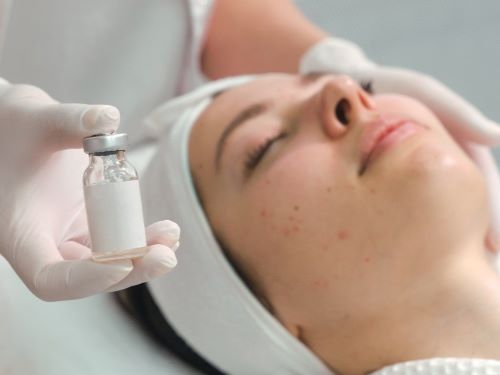
At Bibi Clinic, we focus not only on treating existing acne and acne scars but also on preventing future breakouts and minimizing the risk of scarring. Our treatments address not just the visible symptoms but also the root causes of acne, helping you achieve healthier, more resilient skin over the long term.
Bibi Clinic offers high-quality acne and acne scar treatments in Bangkok, Thailand, equivalent to the standard you would expect in Japan. Our team is fluent in both Japanese and English, so patients from Japan and other countries can feel at ease receiving aesthetic treatments while abroad.
If you’re struggling with acne or lingering acne scars, we invite you to consult with us and discover personalized, effective solutions.
Search by Concern
-
Skin concerns
-
Facial Concerns
-
Other concerns
For acne and acne scar treatment
BIBI CLINIC
Address
27 3rd Floor, Room 306, Sukhumvit 55 (Thonglor), Khlong Tan Nuea, Wattana, Bangkok, 10110
Google MAPBlog
-
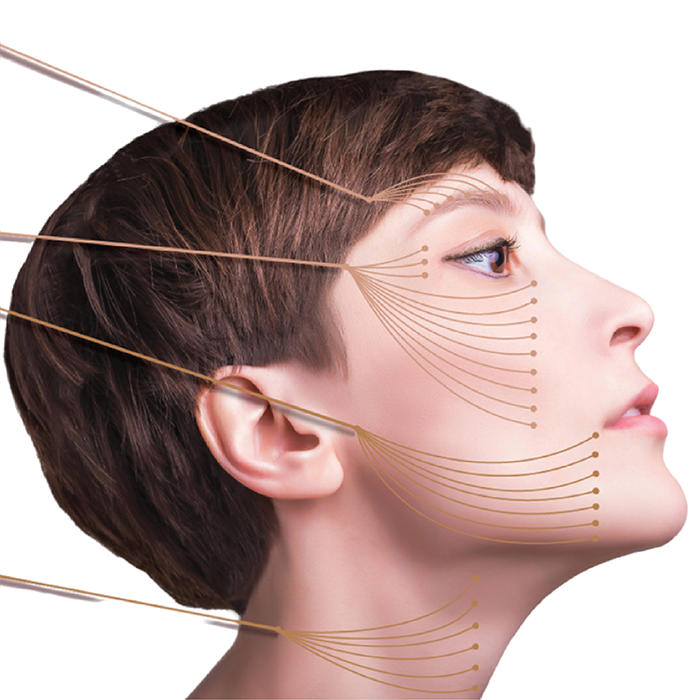
What is Lifting? Immediate and Natural Rejuvenation of "Thread Lifting" Achieved in Bangkok, Thailand
Lifting is a cosmetic procedure that aims to improve such problems as "to fundamentally lift a sagging face caused by gravity" or "to regain a shapely V-line. ...... There are various approaches such as machine treatment or injecting a formulation, but we would like to introduce you to the [...].
-
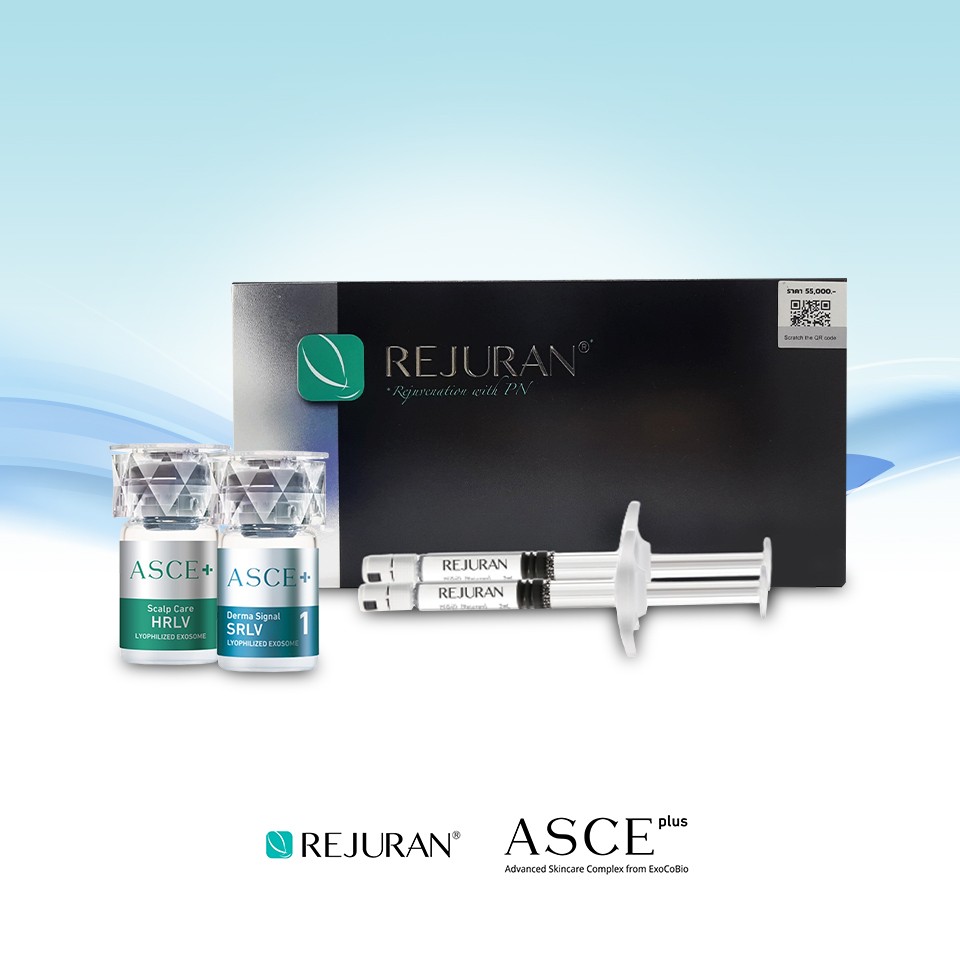
What is Rejuran Healer? The Secret of "Skin Regeneration" and Moisturized Hydroluminous Skin to be Achieved in Bangkok, Thailand
The most popular treatment for those who have such concerns is the next-generation skin-enrichment injections, which improve the skin from the foundation up. The formulation introduced here is called Rejuran Healer. [...].
-
What is filler? The Basics of Hyaluronic Acid Injections You Won't Regret in Bangkok, Thailand
I feel older every time I look in the mirror," "My lines and wrinkles are noticeable and I don't feel confident." ......Fillers are chosen by many people who have such problems. Our clinic, BibiClinic, is located in Bangkok, Thailand, and offers Japanese-style fine [...].
-
Dermatology in Thailand: A Thoughtful Approach to Skin Care in Bangkok
If you are searching for dermatology in Thailand, particularly in Bangkok, you are likely looking for more tha [...].