Cosmetic Dermatology, BIBI CLINIC, Bangkok, Thailand | 9.00 am. - 8.00 pm.
cheek cheekbones
look (seem) old
look (seem) old
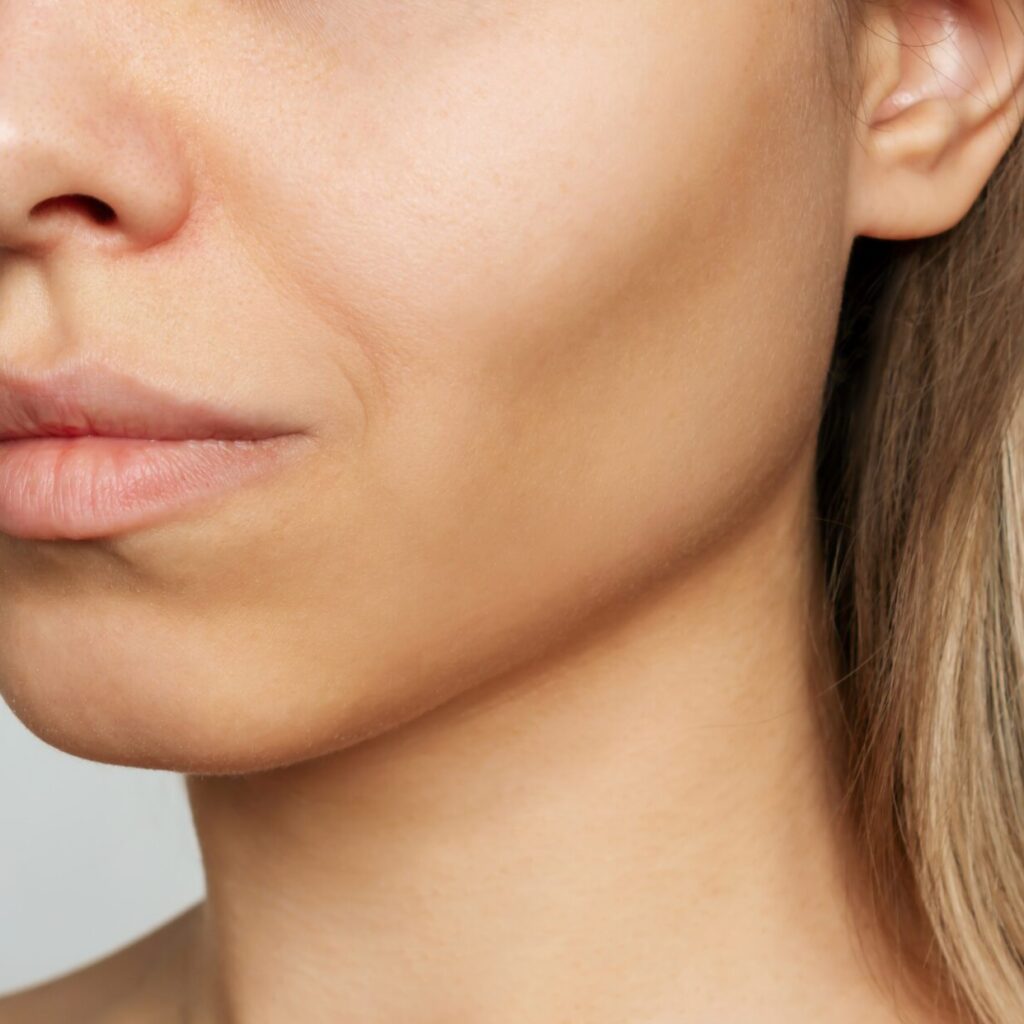
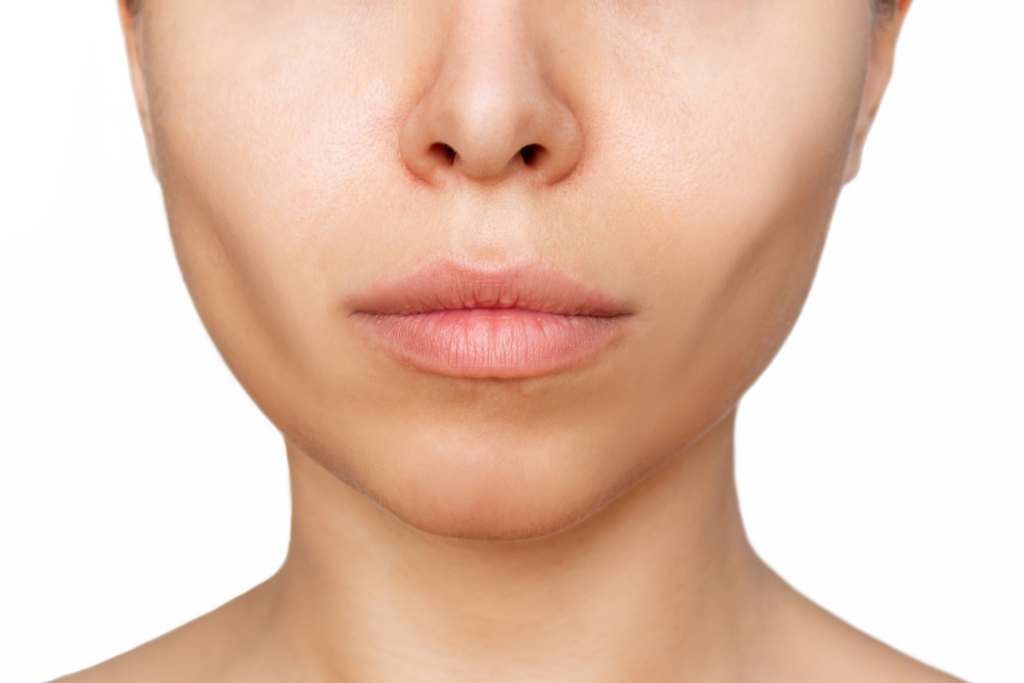
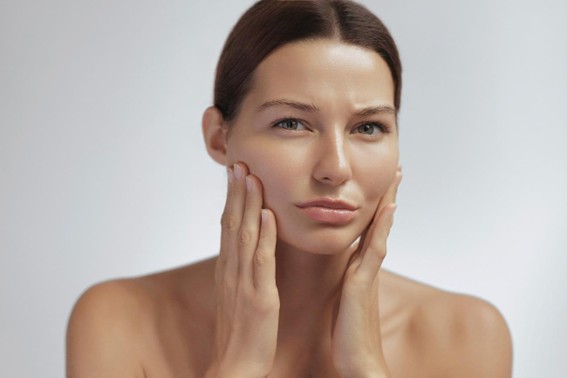
When the cheeks are hollow, the face loses its roundness and the skeletal structure is accentuated, giving the impression of being older than one's actual age. The loss of plump cheek volume, a symbol of youthfulness, also contributes to the appearance of dark circles and hollows, which are easily shadowed from under the eyes to the cheeks. This loss of dimensionality is the reason why people look older even without wrinkles.
look tired
look tired
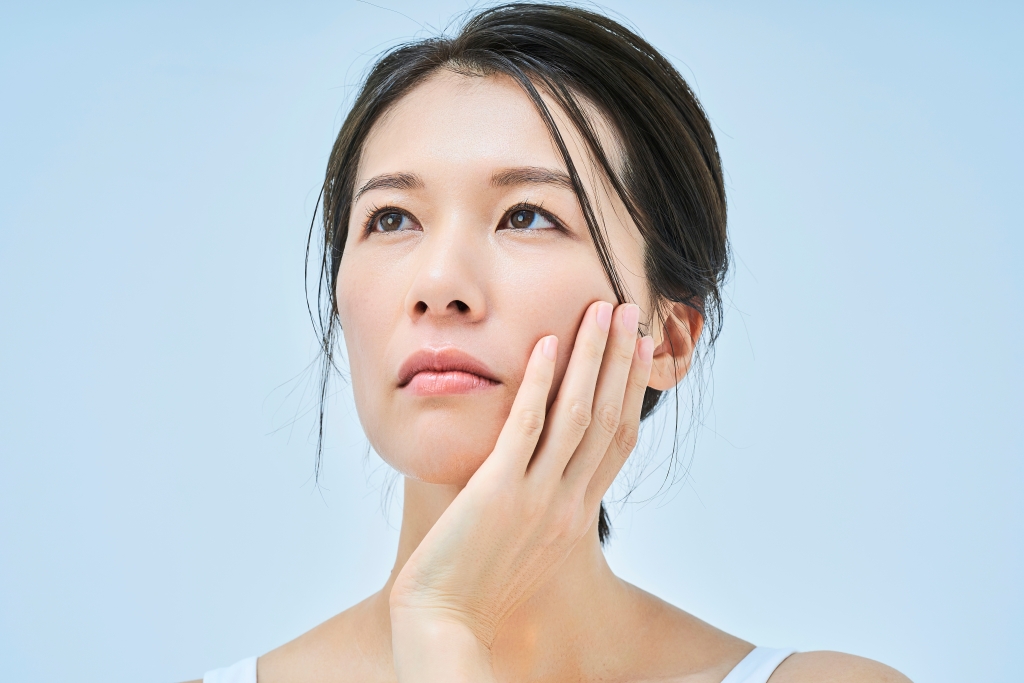
When your cheeks are hollow, they tend to cast shadows on your face, making people ask, "Are you tired?" "Are you feeling sick?" If the volume is reduced especially from under the eyes to the cheeks, dark circles may appear darker and blood may look worse. In particular, when the volume from under the eyes to the cheeks is reduced, dark circles and blood tends to appear darker and paler, giving the impression of being unhealthy and tired, even if the person is well rested.
give a hard impression
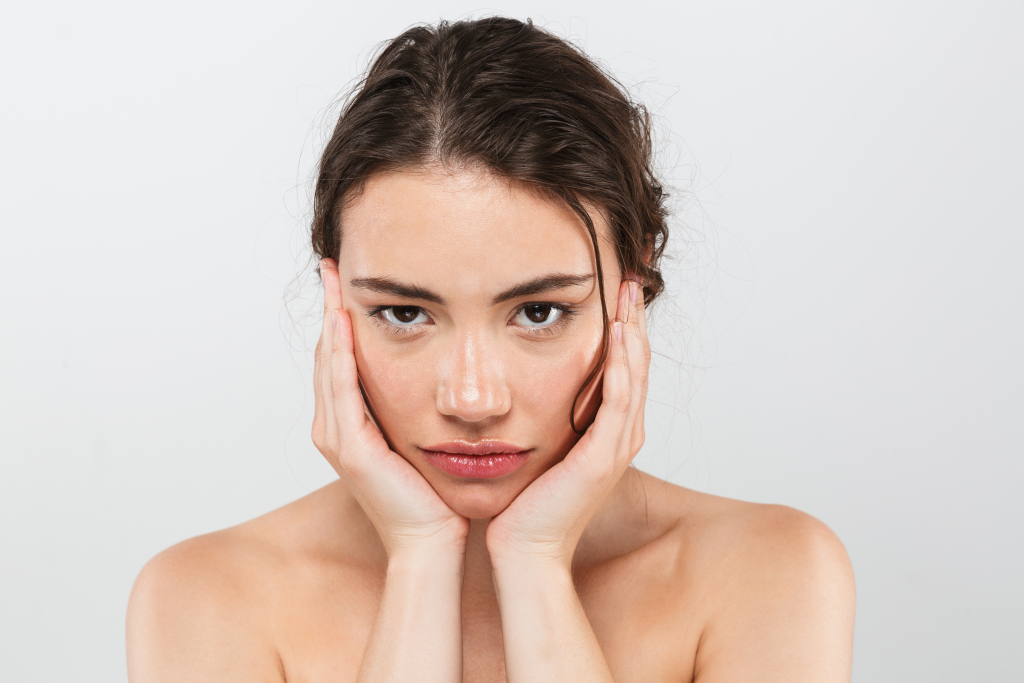
When the cheek volume is reduced, the facial line becomes too sharp, giving the impression of being "tight" or "difficult to talk to," even if this is not the intention. In addition, the shadows under the eyes and the hollows of the cheeks are emphasized, making facial expressions more shadowy, and even when smiling, the cheeks do not lift up in fullness, giving the appearance of a stiff expression.

The main cause of cheek swelling is age-related changes in various facial tissues, such as skin, muscle, fat, ligaments, and bone. This section describes how these tissues change and lead to cheek swelling.

Skin aging
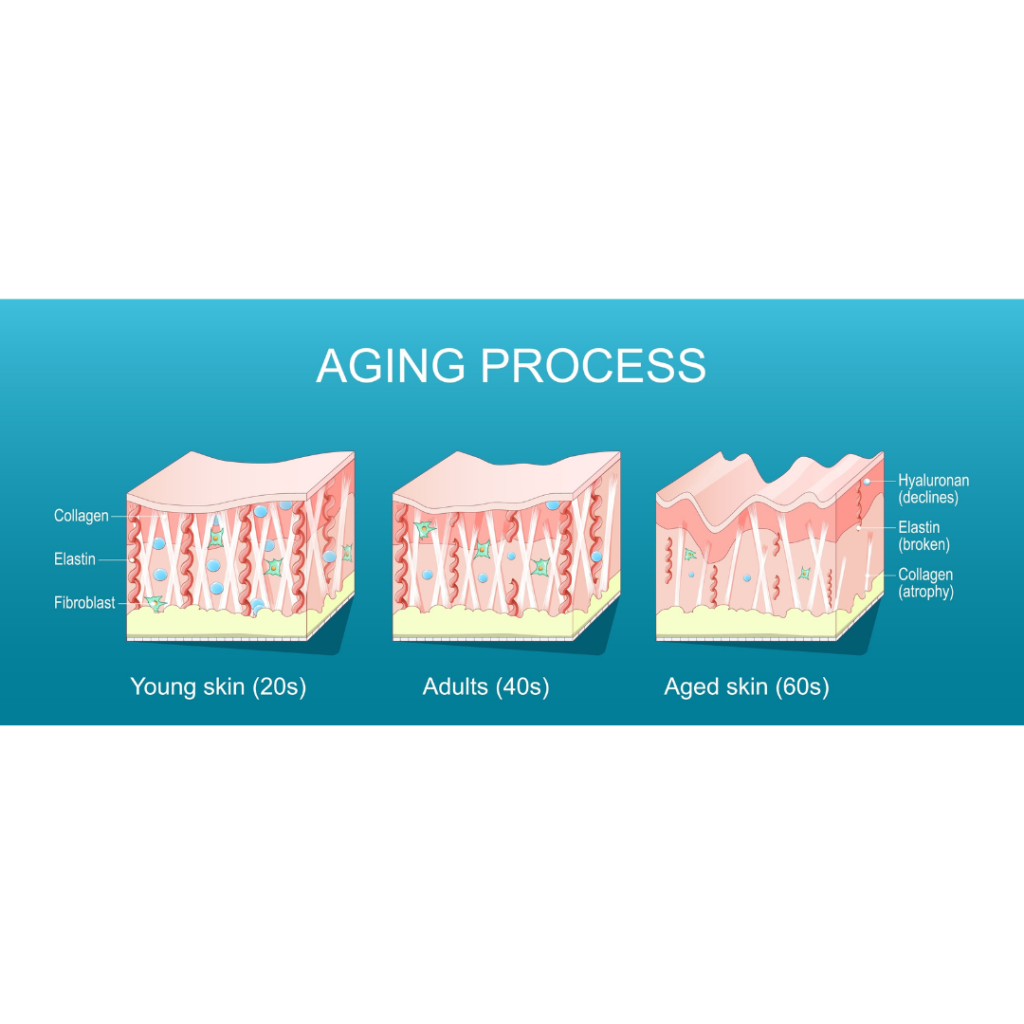
Skin firmness and elasticity are maintained by collagen and elastin in the dermis layer. However, these components gradually decrease with age and exposure to ultraviolet rays. The skin loses elasticity and becomes thinner. As a result, the skin's ability to support itself from the inside is weakened, and sagging is more likely to occur. In addition, the volume loss of underlying fat and tissue is noticeable, giving the cheeks the appearance of being hollowed out.
Skin aging
Muscle wasting
As we age, the facial muscles gradually deteriorate. As the muscles become less elastic, their ability to support fat and skin weakens, and the fullness of the cheeks gradually diminishes. In addition, because the temporalis muscle has a positional relationship that connects the temporal region to the cheekbone area, if it atrophies due to aging or other factors, the volume balance from the temporal region to the outer cheek may change, resulting in the appearance of hollowed cheeks. These changes can be caused not only by aging, but also by a lifestyle that does not use the facial muscles much.
Muscle wasting
Fat loss or drooping
The plumpness and roundness of the cheeks is due to subcutaneous fat. However, subcutaneous fat gradually diminishes with age and tends to move downward under the influence of gravity. As a result, the high volume of the cheeks is lost and shadows are more likely to appear under the cheekbones. The combination of these changes accentuates the impression of hollow cheeks.
Fat loss or drooping
Ligament and fascia weakness
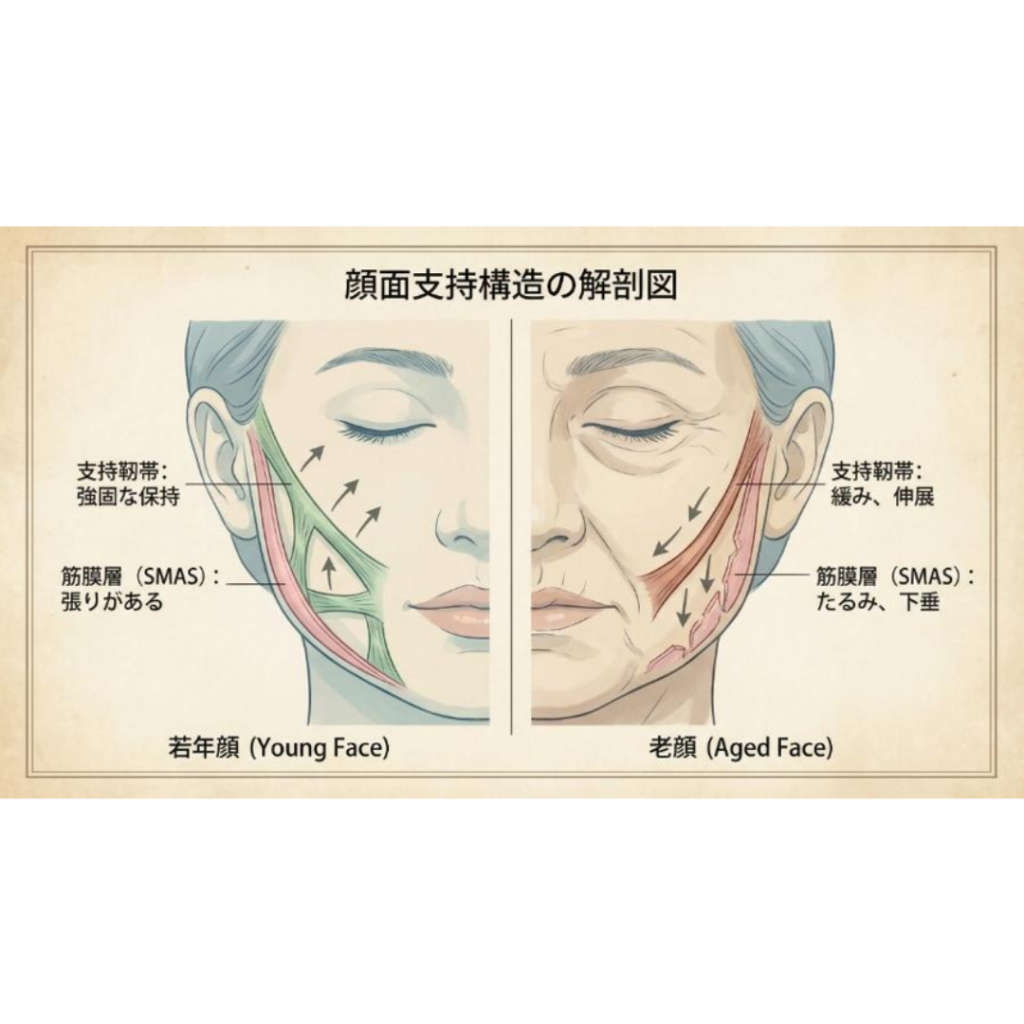
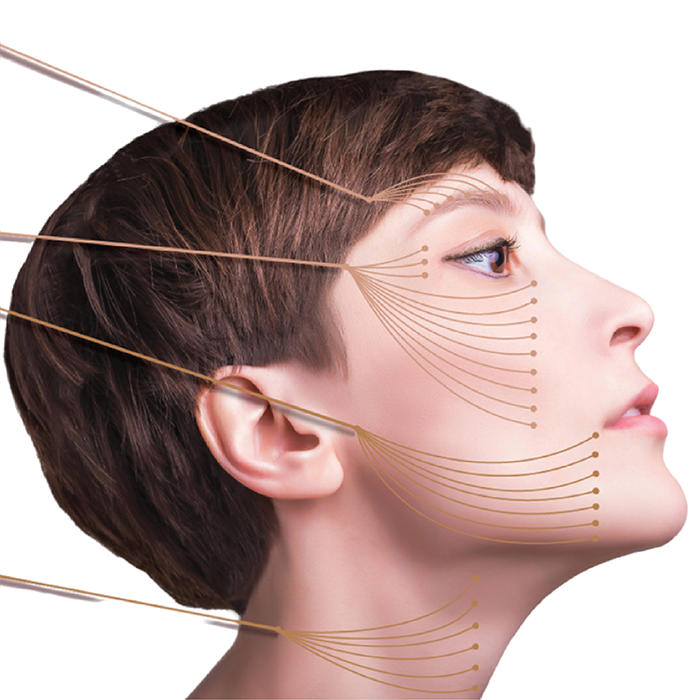
Facial skin and fat are essentially anchored to bone by tissues such as supporting ligaments and SMAS fascia. However, as these supporting tissues stretch and loosen with age, it becomes difficult to keep the skin and fat supported in the same position. As a result, the entire face tends to droop downward, and the loss of volume in the upper cheeks makes cheek hollows more prominent.
Ligament and fascia weakness
Bone Changes
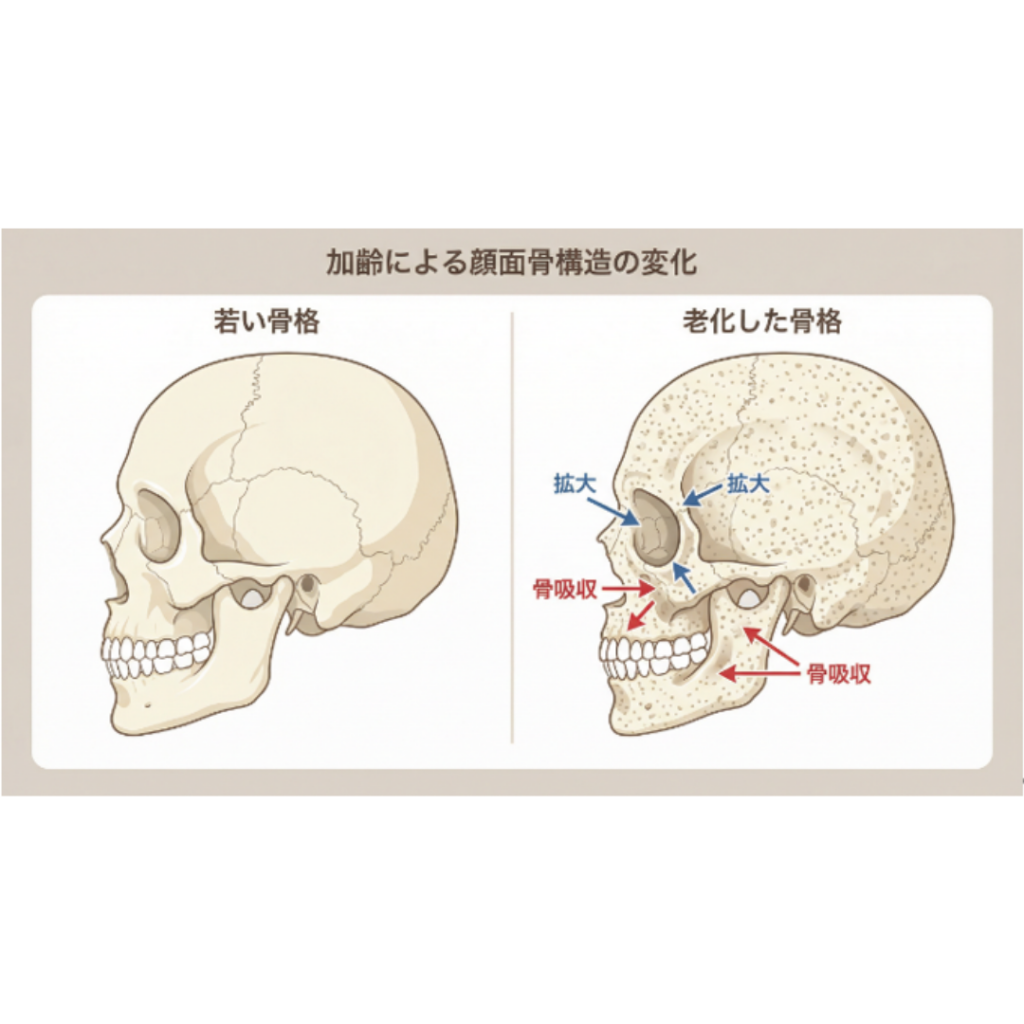
Facial bones also gradually change with age. Although there are individual differences, bone volume gradually decreases with age as bone density decreases. The orbit tends to widen, especially around the eyes, and the weakening of the support around the cheekbones may affect the balance of the force supporting the face from the inside. As a result, the cheeks appear relatively hollow, and this is one of the factors that accentuates cheek hollowing.
Bone Changes
Other Factors
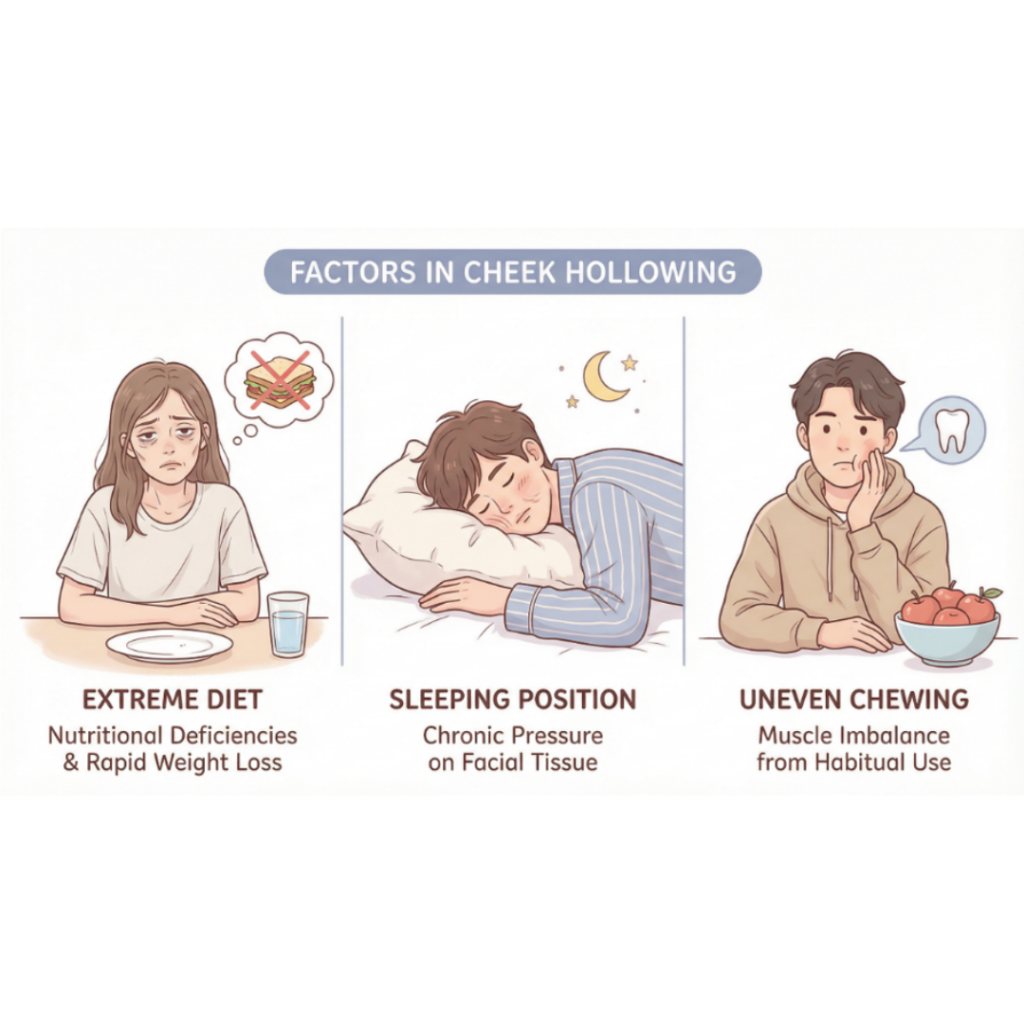
Rapid weight loss due to excessive dieting is a contributing factor to the development of cheek swelling. The loss of more facial fat than necessary can lead to loss of cheek volume. In addition, the habit of chewing on only one side of the face and sleeping on one side or the other can also contribute to the appearance of cheek hollowing. In addition, people who are genetically predisposed to have low cheek fat also tend to have cheek hollowing.
Other Factors

The main cause of cheek swelling is age-related changes in various facial tissues, such as skin, muscle, fat, ligaments, and bone. This section describes how these tissues change and lead to cheek swelling.

Use “add and grow” according to the cause of cheek swelling.
At Bibi Clinic, we carefully diagnose the root cause of cheek swelling and propose the best treatment for each individual's condition. By combining "adding treatment," which replaces lost volume, and "nurturing treatment," which draws out the natural healing power of the skin itself, we aim for a lasting, natural beauty that is not transient. The goal is to not only fill in the hollows, but also to balance the entire face and lead to a healthy skin with firmness and luster. If you are suffering from cheek indentations in Bangkok, Thailand, please contact us for a consultation.
Use “add and grow” according to the cause of cheek swelling.
Recover the shaved impression instantly with a natural three-dimensional look.
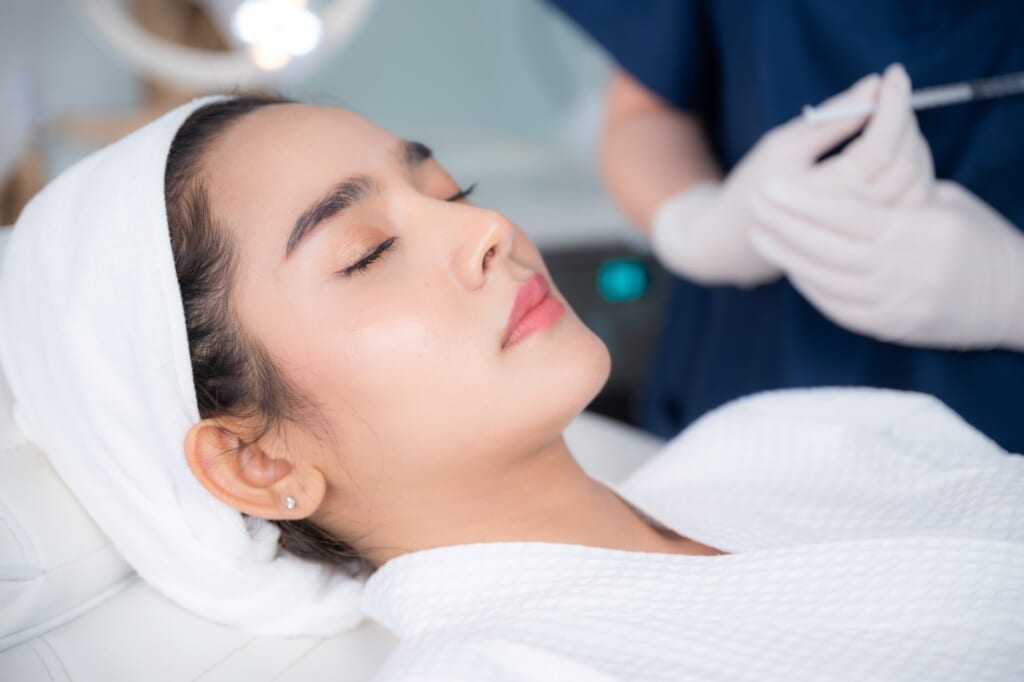
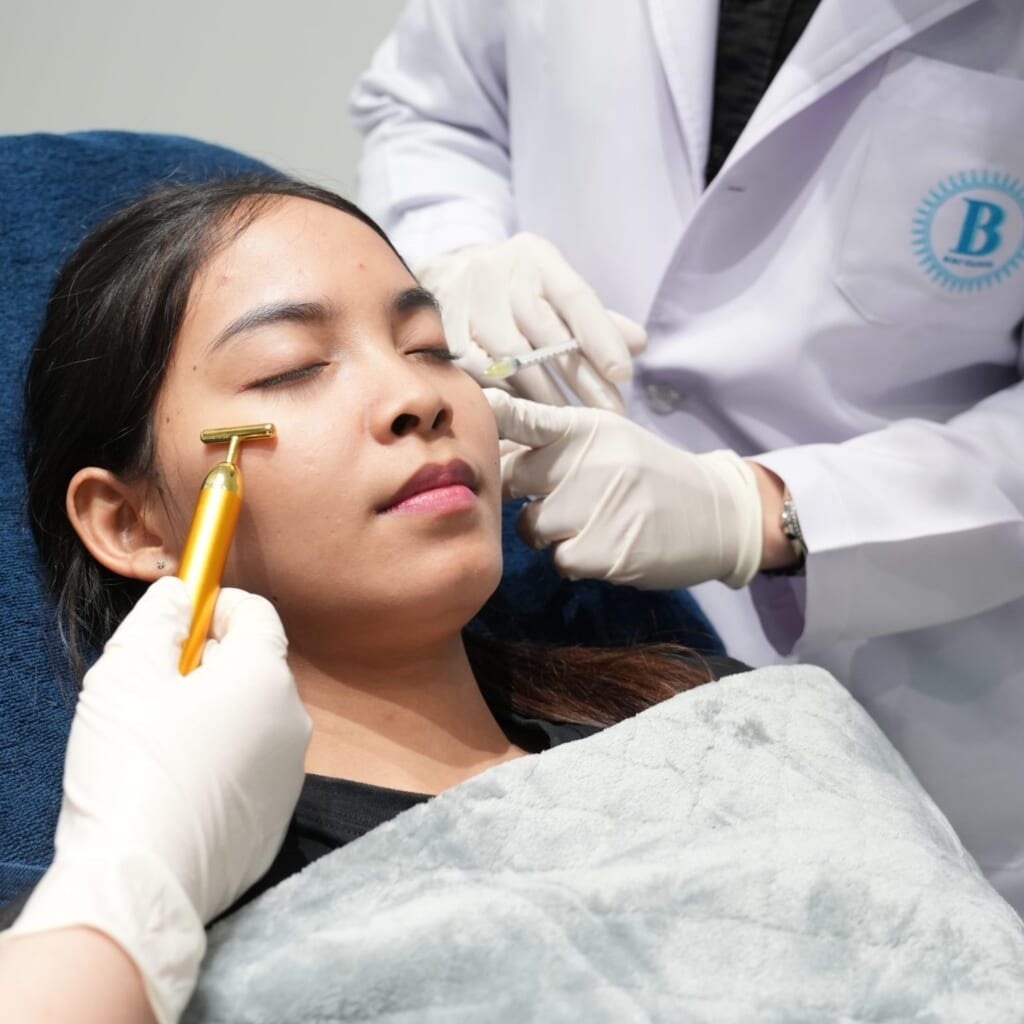
If you want to make cheek hollows less noticeable immediately, it is useful to inject hyaluronic acid or other products directly into the area of the hollows to physically replenish the volume. Depending on the condition and purpose of the cheeks, different types of hyaluronic acid products can be used to achieve a more natural result.

The greatest feature of this treatment is its immediate effect, with changes being felt immediately after the procedure. Some people worry about unnatural-looking results, but a doctor with a thorough knowledge of anatomy can achieve smooth, natural-looking roundness by injecting the right amount in the right layers while assessing the overall balance of the face. With relatively little downtime, it is the treatment of choice for busy people.
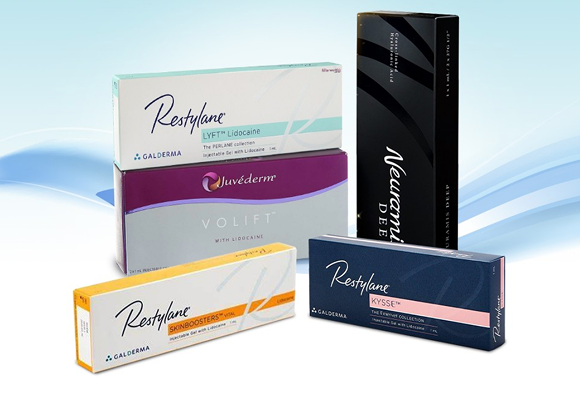
Recover the shaved impression instantly with a natural three-dimensional look.
Improves firmness, thickness, and texture for skin that is resistant to chafing.
Skin boosters are suitable for those who wish to improve the quality of the skin itself while reducing the appearance of cheek sores. This is a "skin growth treatment" that supports the production of collagen and elastin by injecting non-cross-linked hyaluronic acid and amino acids into the shallow layers of the skin to improve the skin environment. Although the immediate volume-enhancing effect is mild, it approaches the skin's firmness, luster, and thickness from within, and supports the creation of a healthy skin foundation that is less prone to cheek sagging. This treatment is suitable for those who want to achieve a natural, youthful appearance with an eye on the future.
Improves firmness, thickness, and texture for skin that is resistant to chafing.
How many times does it take to feel the effects of cheek lumpectomy treatment?
Hyaluronic acid injections are easy to notice changes after one injection, and the effect of skin boosters is stable after about three injections every two to four weeks.
How many cc of hyaluronic acid injections are needed to treat cheek lumps?
The guideline is 0.5 cc to 2 cc per side and 1 cc to 4 cc for both cheeks. However, the required amount varies depending on the degree of cheek augmentation and the bone structure, and is determined by the doctor based on the overall balance of the face.
Does injecting hyaluronic acid into the cheeks look unnatural?
If injected in the right amount and layer, it will not be unnatural. The key is the physician's design ability.
Who is the best candidate for cheek lumpectomy treatment?
It is suitable for those who have problems such as "I look tired," "I look older," "I am asked if I have lost weight," etc. or "Have I lost weight?
How can I prevent cheek sores?
Since age-related structural factors are involved, it is considered difficult to completely prevent chapped cheeks through daily care alone. Basic skin care such as UV protection and moisturizing are important, but in addition, some people consider cosmetic medicine from the perspective of "skin nurturing," which approaches the underlying tissues of the skin.
If I regain the weight I lost, will it improve my cheek sores?
Although some recovery may occur, it is difficult to completely reverse the effects of weight gain alone if it is caused by age-related fat drooping or skeletal changes.
How can I reduce the appearance of cheek scaling?
Although makeup can temporarily adjust the impression, there is a limit to how much it can change the fundamental impression if bone or fat mass is the underlying cause of cheek hollowing. One way to make them less noticeable is to consider cosmetic treatment under a doctor's consultation based on the degree and cause of the cheek hollows.
Can cheek sores be improved by massage and self-care?
Massage and self-care may be used to promote blood circulation and skin condition, but it is difficult to restore the volume itself, which is lost with age. In addition, strong, stimulating massage can cause sagging and hyperpigmentation. Depending on the degree and cause of the cheek swelling, cosmetic treatment to replenish volume should be considered.

 
If you want to get treatment for cheek sores.
BIBI CLINIC  

Address

27 3rd Floor, Room 306, Sukhumvit 55 (Thonglor), Khlong Tan Nuea, Wattana, Bangkok, 10110

Google MAP