
 LINE
LINE


Melasma and spots
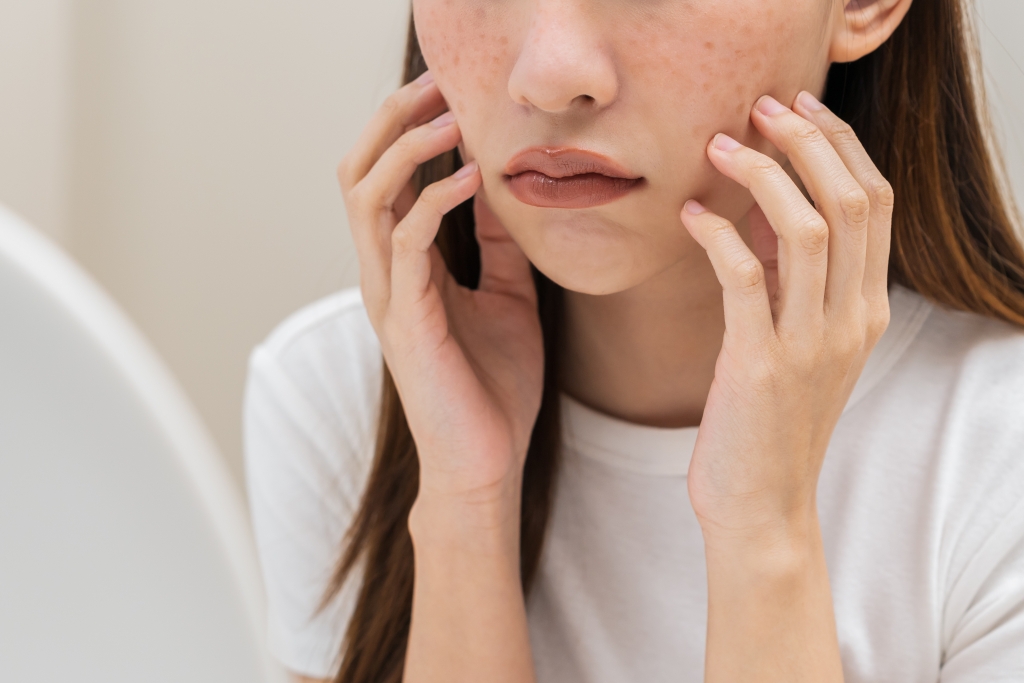
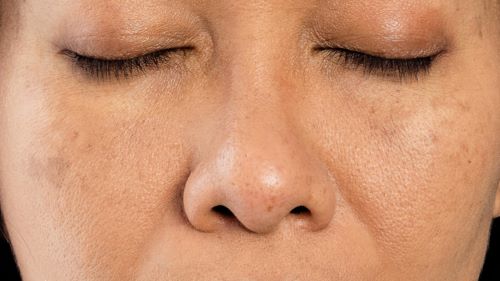
Another characteristic is that its density is not constant. It may appear thicker or lighter depending on the amount of UV exposure and changes in hormonal balance. It is mainly seen in women in their 30s to 50s. In some cases, it fades after menopause, but not all disappear spontaneously.

In addition, daily irritants such as UV rays and friction can also aggravate melasma. For example, scrubbing when washing the face or giving a strong massage can also be irritating to the skin. Remember that melasma is very sensitive to irritation.
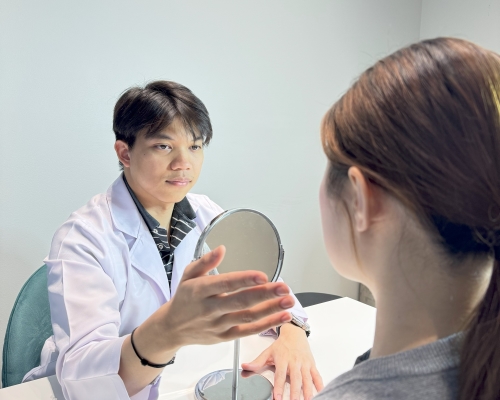
Therefore, the basic approach is to gradually correct the shades with a low-irritant and careful approach. Peels and other treatments are only supportive, and it is not realistic to try to cure melasma by themselves. Continuous management and a treatment policy that does not overstimulate the skin are important.
Spots that are often confused with melasma include senile pigmentation (common spots) and freckles (sparring spots). Although they may look similar, they have different causes and approaches.
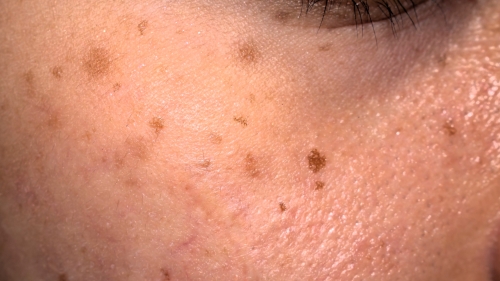
They have a relatively clear outline and are characterized by the appearance of small patches on the cheeks, temples, and other areas that are easily exposed to sunlight. They tend to increase in number and darken in color with age, and are most common in people in their thirties and later, but can also occur in younger generations such as those in their twenties.
Many people also find it difficult to tell the difference between melasma and freckles. Freckles (sparrow spots) are pigmented patches that appear as small brown spots scattered around the nose and cheeks and are often related to genetic factors. They are often noticeable from infancy to puberty. Like chloasma, they may appear symmetrical, but the difference is that chloasma spreads vaguely in an areal pattern, whereas freckles are numerous fine dots scattered around. Because they may look similar, it is important to determine the type of pigment.
Therefore, even for the same blemish treatment, a professional diagnosis is required to accurately identify the type of pigment and use the appropriate wavelength and power settings for each.

Bibi Clinic offers Japanese-style cosmetic medicine in Thonglor, Bangkok, Thailand. Since melasma and spots are different in nature, we will propose a treatment based on the doctor's diagnosis of the type of spots and skin condition.
The treatment design will differ depending on your wishes, such as whether you want to take care of only the prominent pigment or the overall tone. We offer comprehensive proposals that include care from the inside as well as the outside.
Rather than aiming for a big change in a single treatment, we gently tone the skin through a series of multiple treatments. Even in cases where there is a combination of melasma and melasma, we will carefully assess each condition and adjust the output for each area.
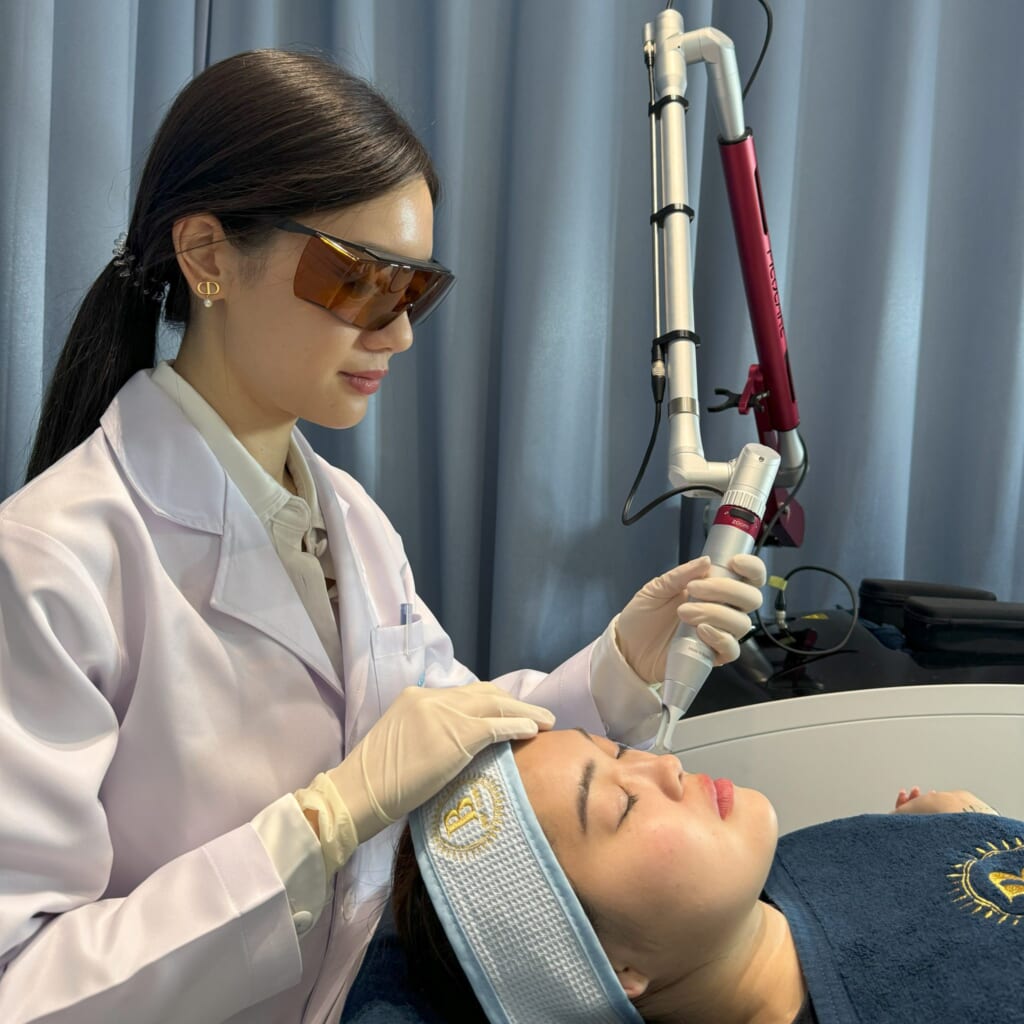
By working not only on the surface of the skin but also on its foundation, we support improvement of the skin texture itself. The strength of Vivi Clinic's high frequency microneedling is that it can approach melasma while also taking into consideration problems such as pigmentation and inflammation.
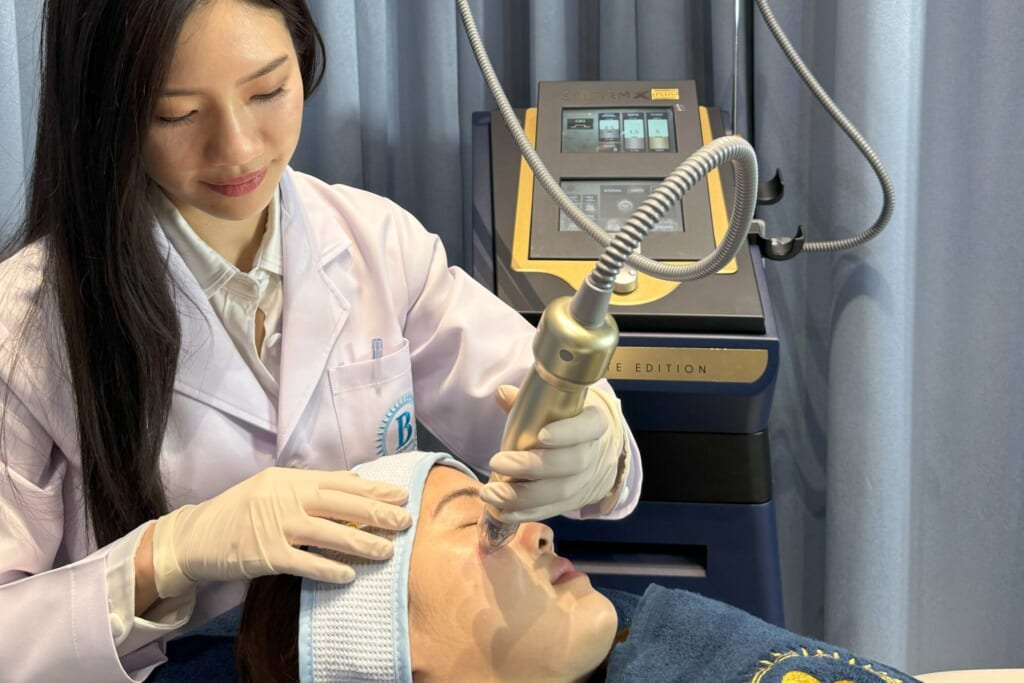

What is important is that the doctor accurately assesses the condition of each individual and approaches the area in a step-by-step manner using the appropriate method and output for each area. A customized treatment plan tailored to the skin is the key to successful melasma treatment.

Search by Concern
-
Skin concerns
-
Facial Concerns
-
Other concerns
If you want to be treated for melasma and spots
BIBI CLINIC
Address
27 3rd Floor, Room 306, Sukhumvit 55 (Thonglor), Khlong Tan Nuea, Wattana, Bangkok, 10110
Google MAPBlog
-
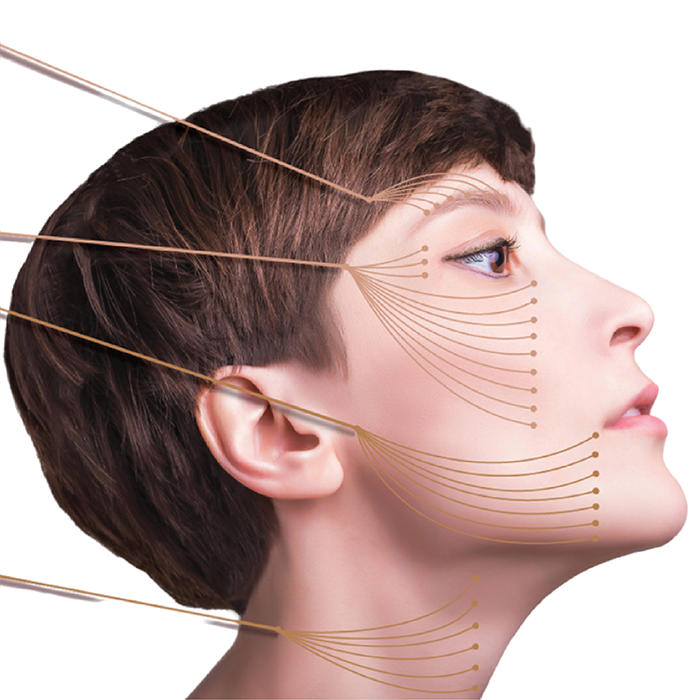
What is Lifting? Immediate and Natural Rejuvenation of "Thread Lifting" Achieved in Bangkok, Thailand
Lifting is a cosmetic procedure that aims to improve such problems as "to fundamentally lift a sagging face caused by gravity" or "to regain a shapely V-line. ...... There are various approaches such as machine treatment or injecting a formulation, but we would like to introduce you to the [...].
-
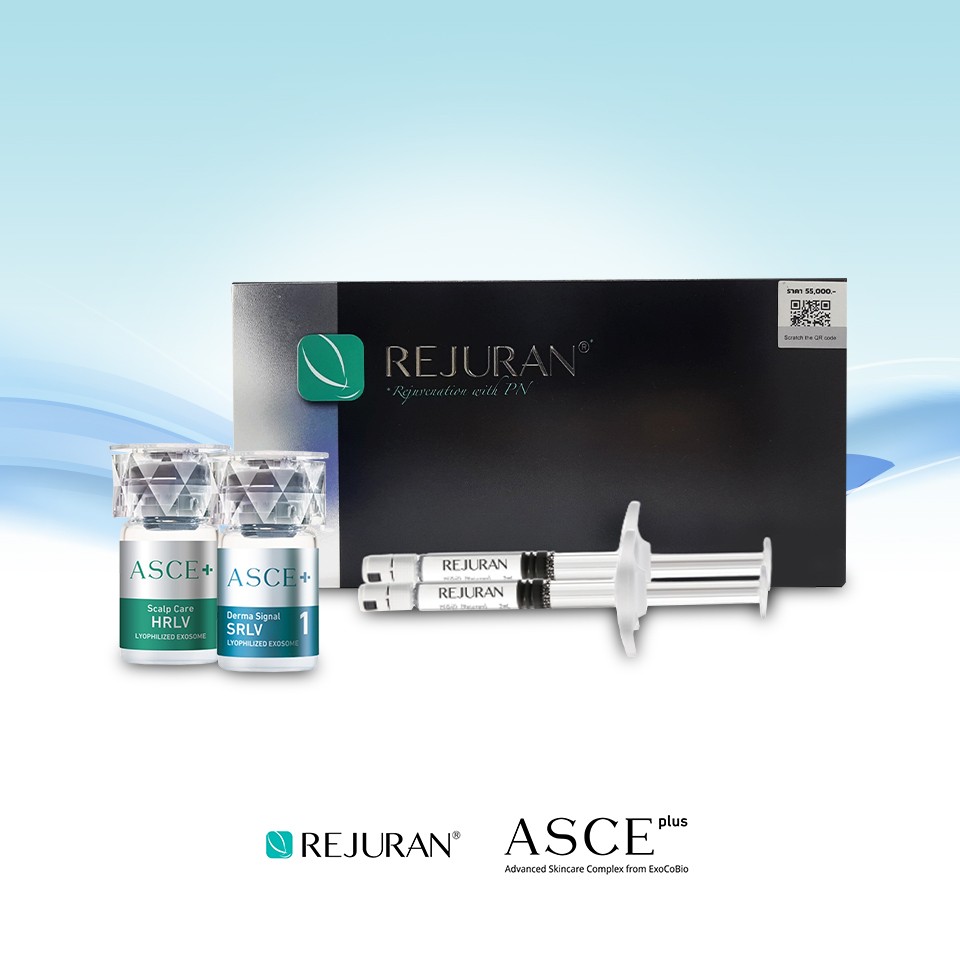
What is Rejuran Healer? The Secret of "Skin Regeneration" and Moisturized Hydroluminous Skin to be Achieved in Bangkok, Thailand
The most popular treatment for those who have such concerns is the next-generation skin-enrichment injections, which improve the skin from the foundation up. The formulation introduced here is called Rejuran Healer. [...].
-
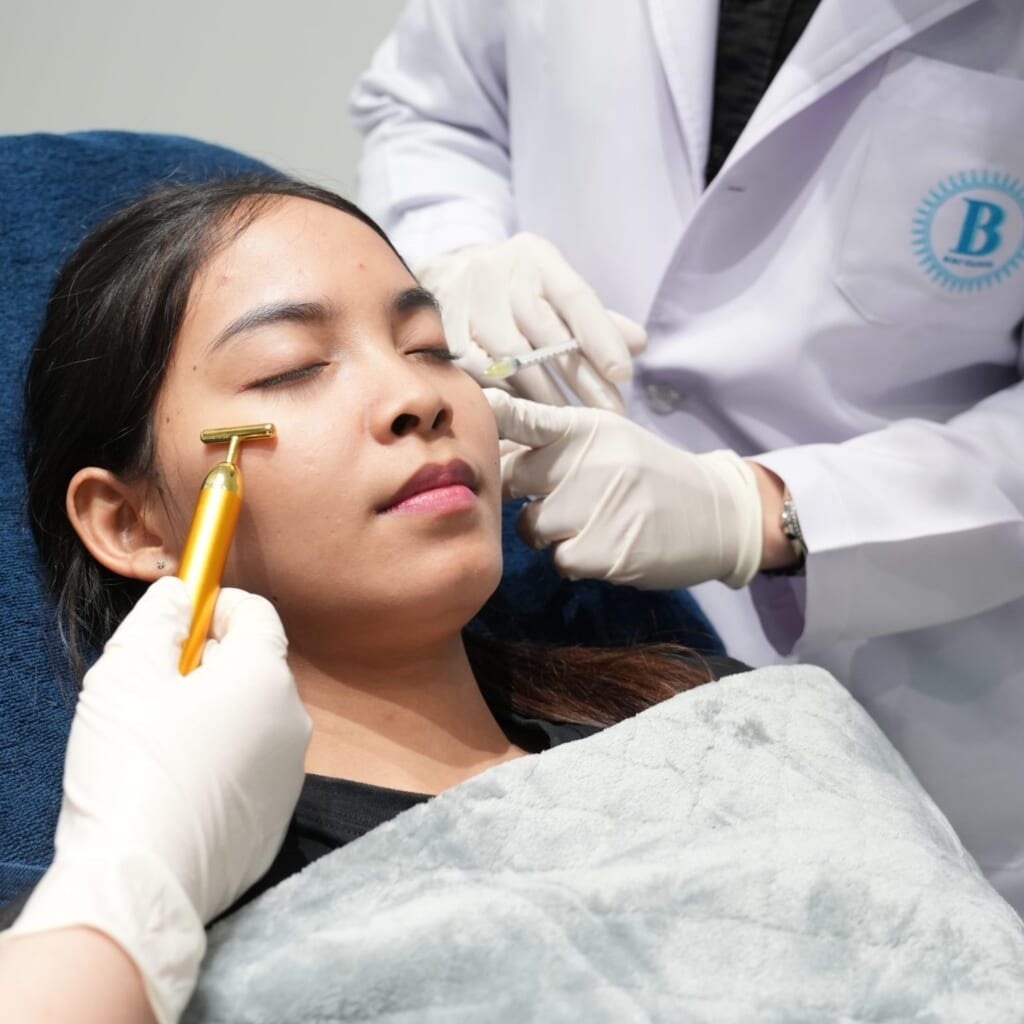
What is filler? The Basics of Hyaluronic Acid Injections You Won't Regret in Bangkok, Thailand
I feel older every time I look in the mirror," "My lines and wrinkles are noticeable and I don't feel confident." ......Fillers are chosen by many people who have such problems. Our clinic, BibiClinic, is located in Bangkok, Thailand, and offers Japanese-style fine [...].
-
Dermatology in Thailand: A Thoughtful Approach to Skin Care in Bangkok
If you are searching for dermatology in Thailand, particularly in Bangkok, you are likely looking for more tha [...].